Architecture of a Landscape  Text by Victor de Circasia
Architecture of a Landscape Text by Victor de Circasia

A Commisioned two years project trought the Piedmont landscape.

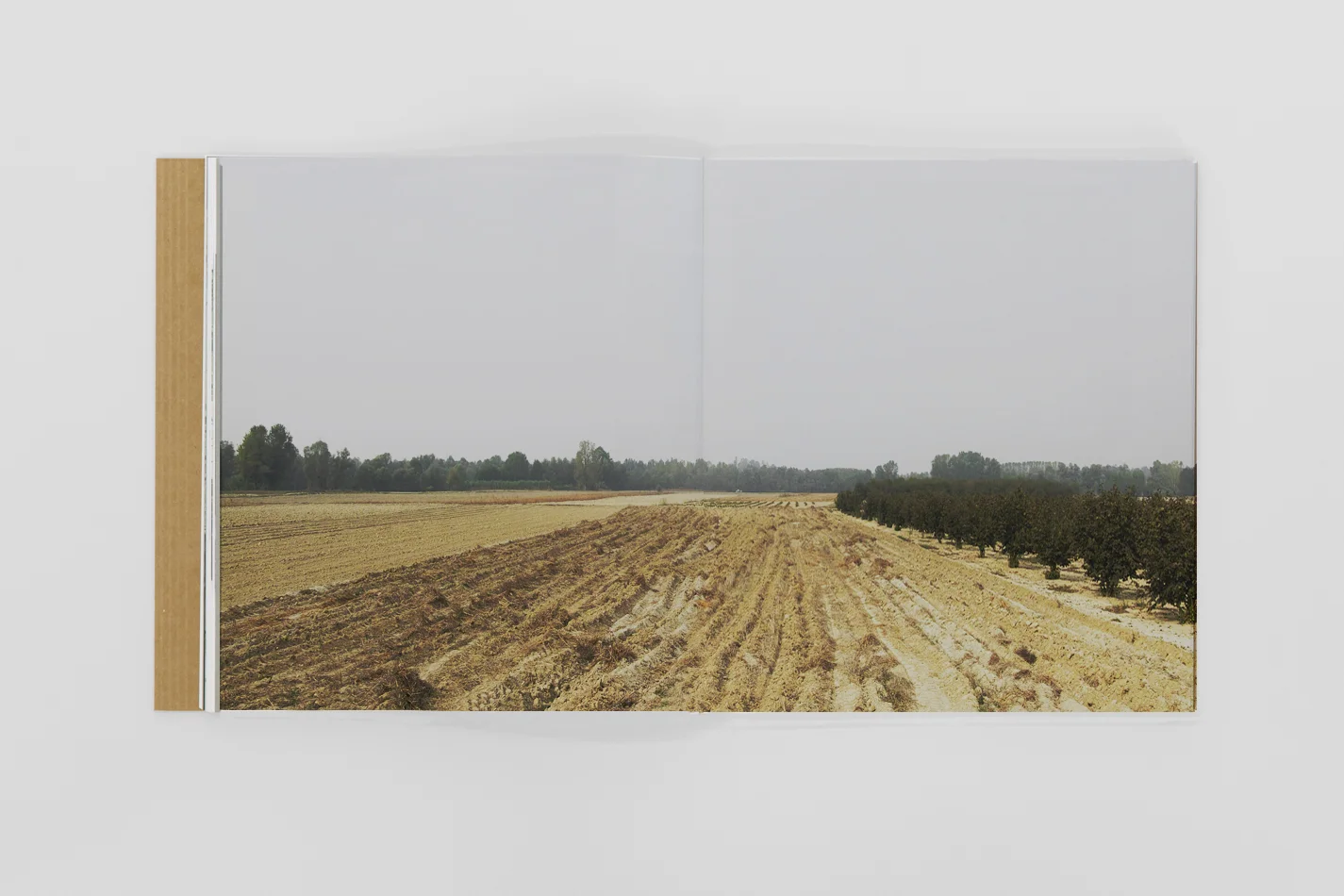
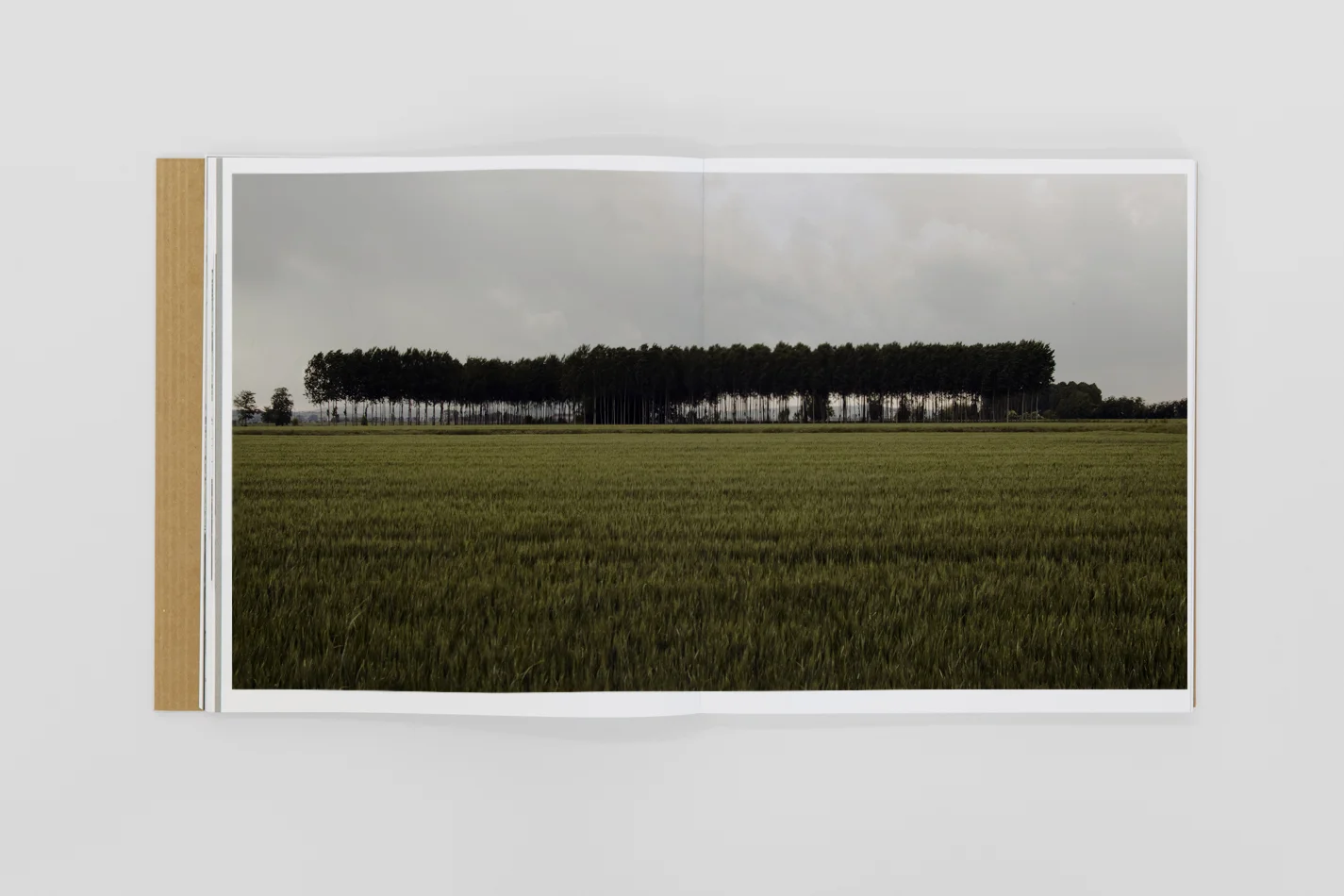
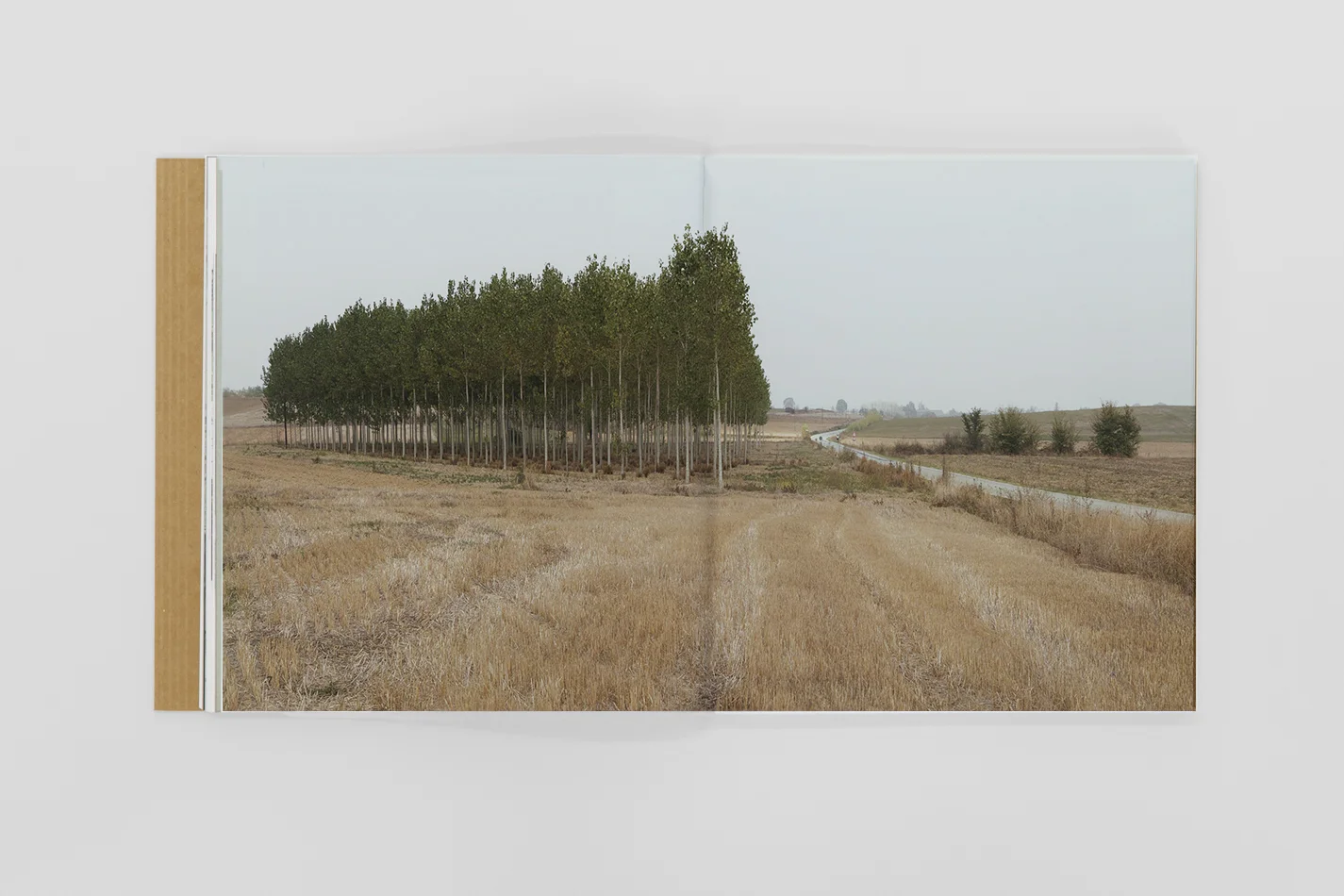
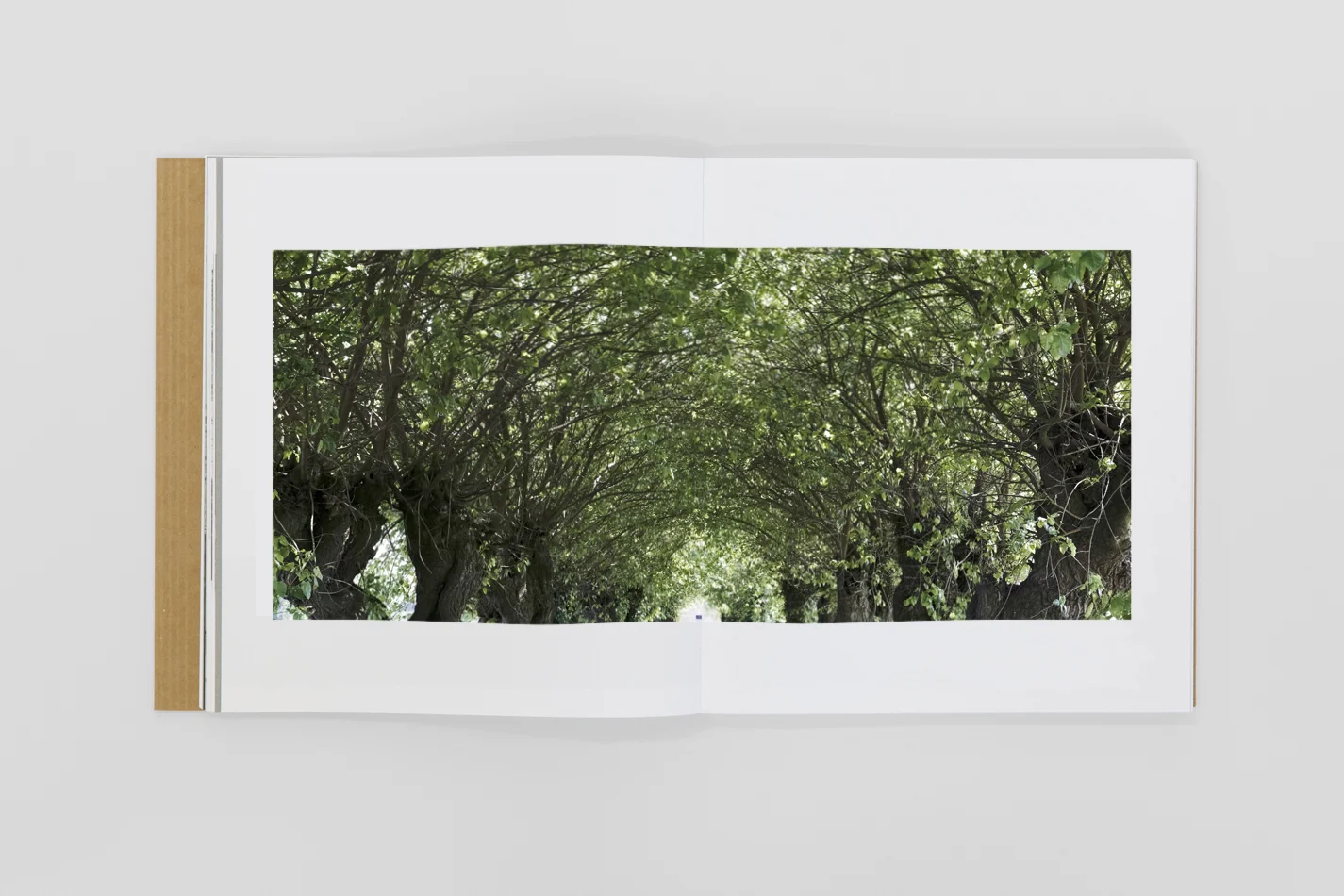
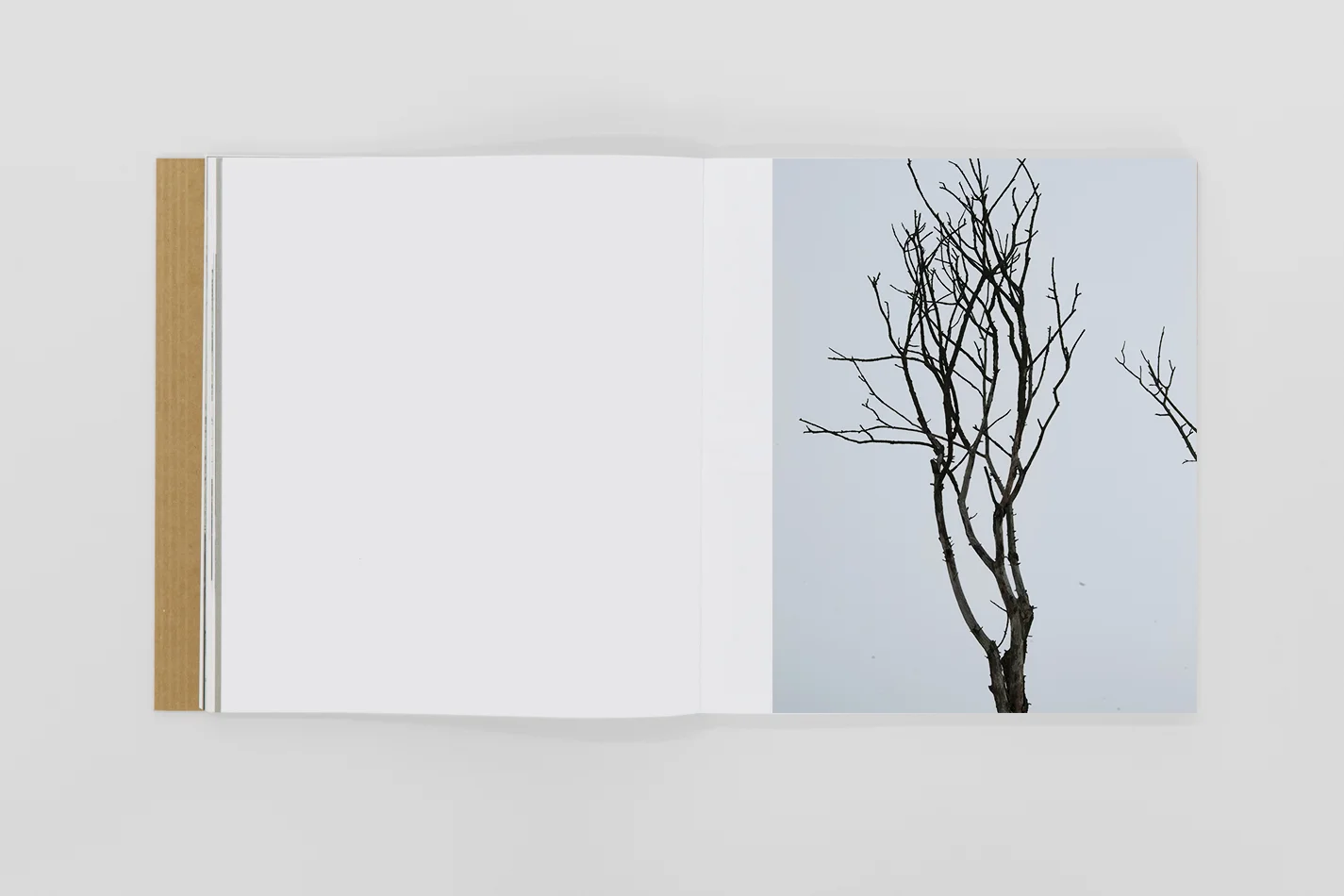
Two years have passed since Alessandro Rizzi began to travel around Alessandria in search of subjects to photograph and interpret. The aspiration of the client, Confagricoltura of Alessandria, was to show an interpretation of the territory, in its contemporaneity. That intention alluded to a visual exegetic, which would have developed, in the context of history, into an almost central chapter.

A landscape, a glimpse of the countryside, a place where work flows, stimulate observation.
Back to Projects

 From this arises the desire to analyze comparatively the different interpretations of the compositions, distilling some rules that make the process of identifying the subject less occasional, less random and more controllable, in order to appropriat

From this arises the desire to analyze comparatively the different interpretations of the compositions, distilling some rules that make the process of identifying the subject less occasional, less random and more controllable, in order to appropriate its aesthetics and give the individual photograph the value of a work of art. 'art.

The central idea for interpreting the Alexandrian was therefore that of a collection of images, rather than a single picture: the author would have chosen the theme of the speech, addressing the apparently insurmountable difficulty of defining the subject. Many in the past have argued that this territory involves history more than art. As further proof, they said that photographing the already photographed, even if partly as a reaction, is inconclusive. With this photographic dissertation by Alessandro Rizzi further interpretations have flourished, and others that we lack, preserved in his personal archive.
Back to Projects

 There are some iconographic parallels, thanks to great Alexandrian artists such as Pelizza di Volpedo. Some local critics were convinced that every picture of him was finished and therefore not interpretable, if not intuitively putting him in connec

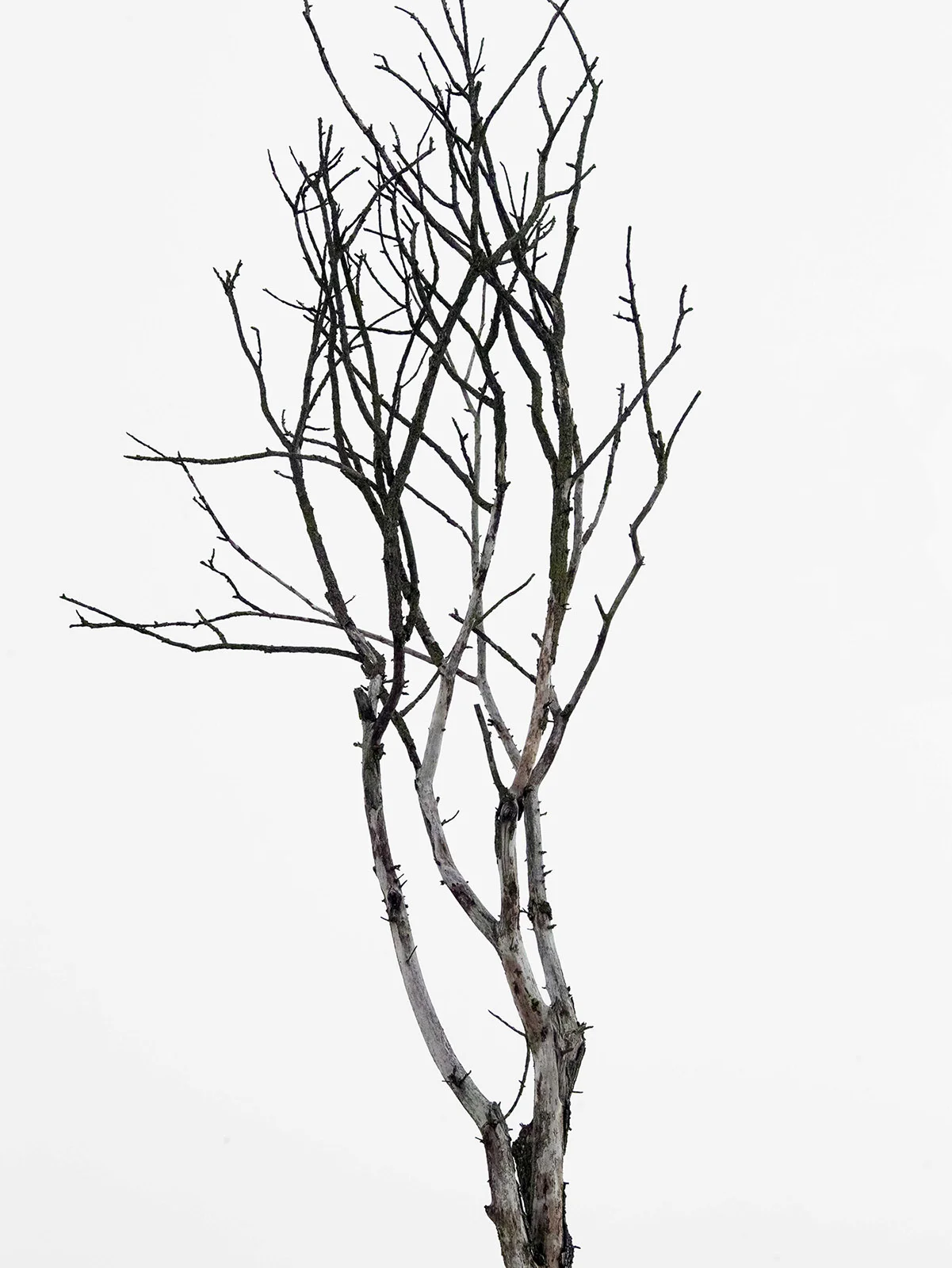
There are some iconographic parallels, thanks to great Alexandrian artists such as Pelizza di Volpedo. Some local critics were convinced that every picture of him was finished and therefore not interpretable, if not intuitively putting him in connection with the world of literature, but not with the modern world of photography. This is the value of the 30 photographic exegetes of Rizzi. The quickness of the shot captures the event: wandering from time to time with the idea of ​​the territory in mind, it has crossed the high Alessandrino and the western territory, has passed to the north and south, taking cues here and there until finding the a possible harmony is sudden. Thus he created the aesthetic layout to form a photographic silhouette, and the complete works of this series of images.

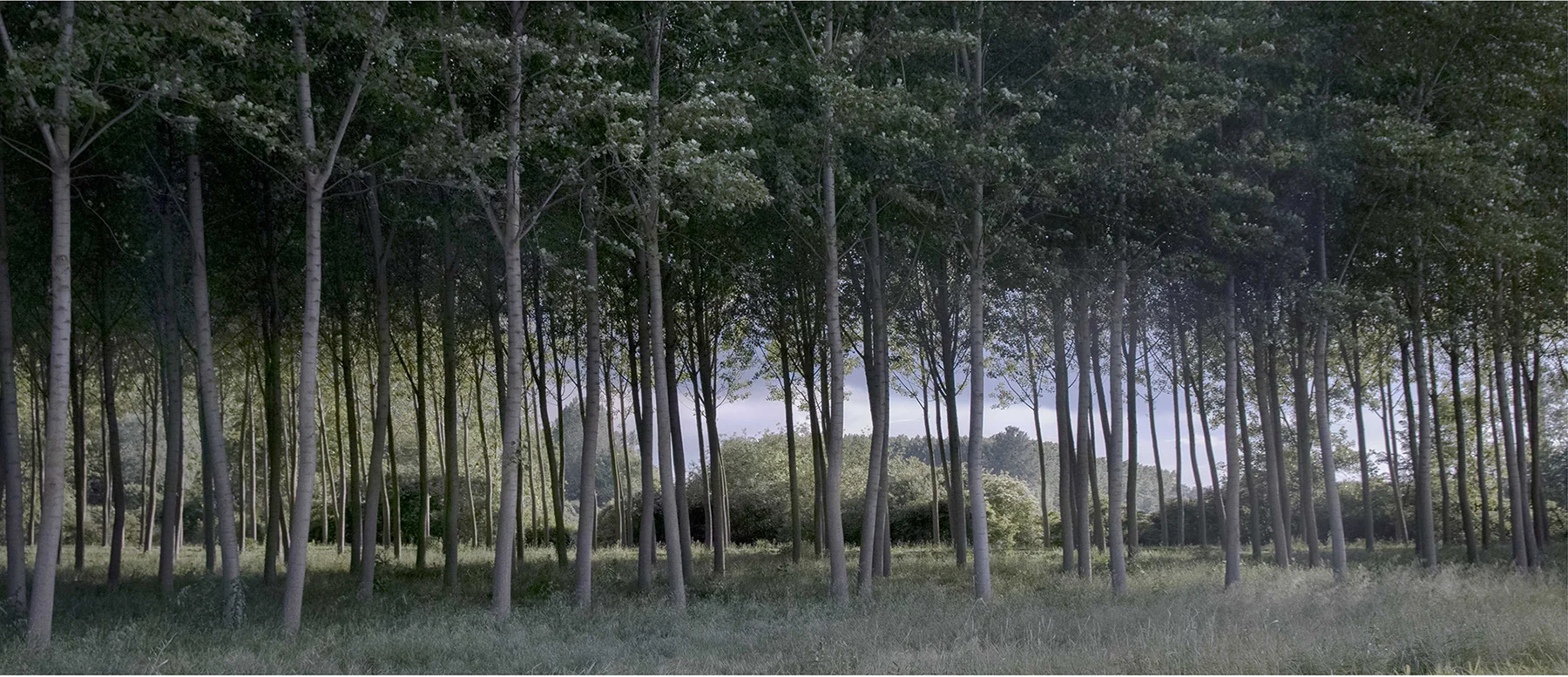
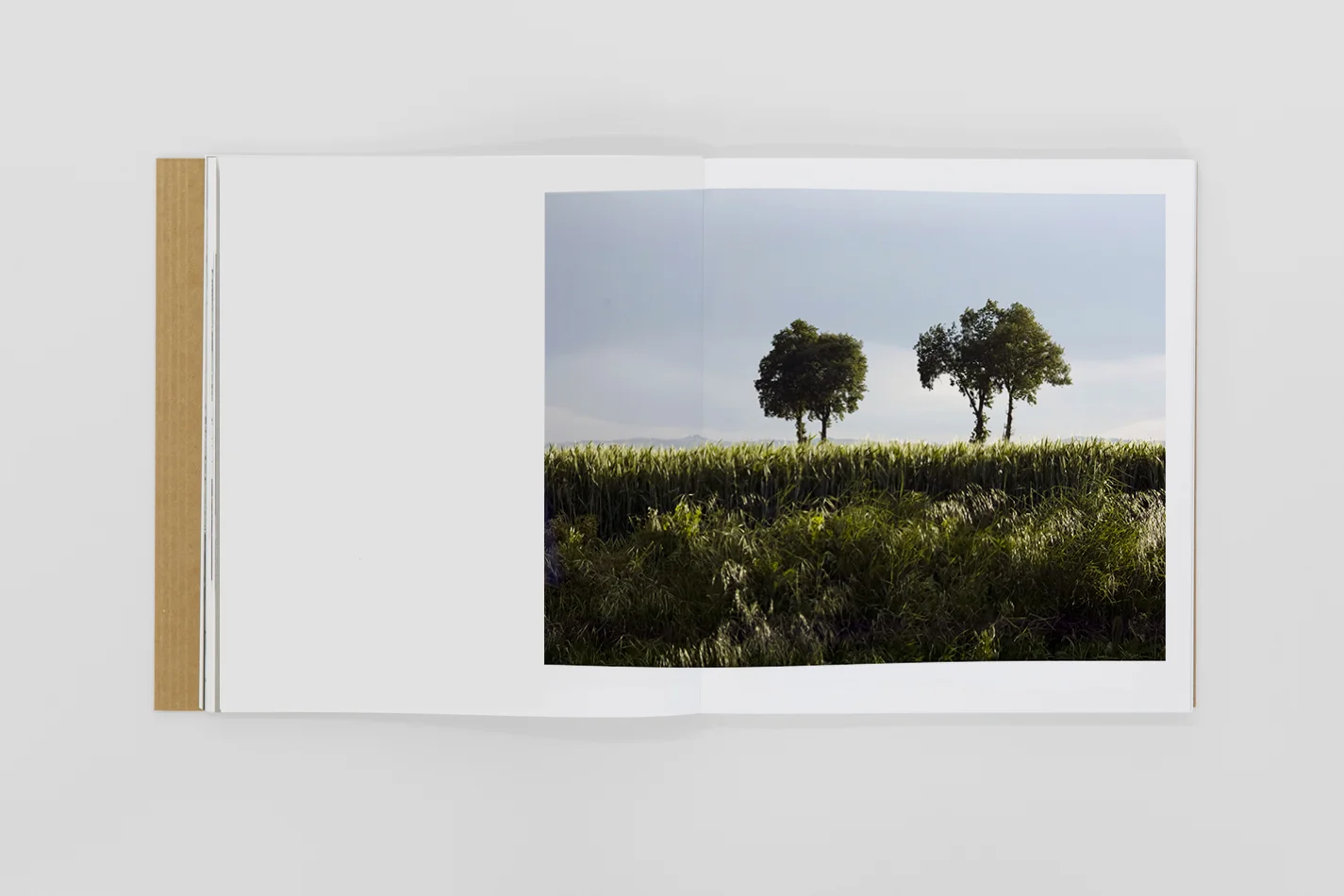
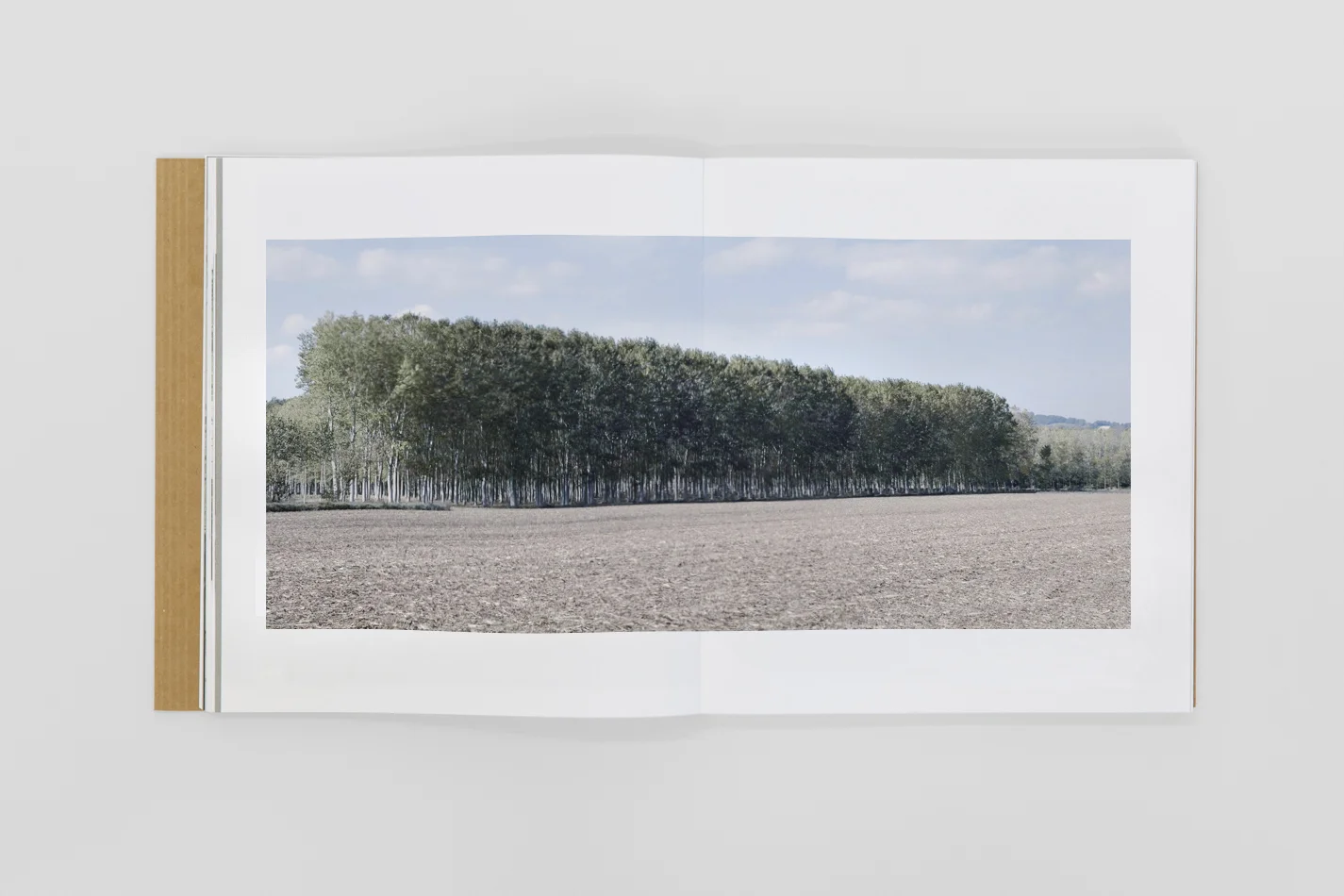
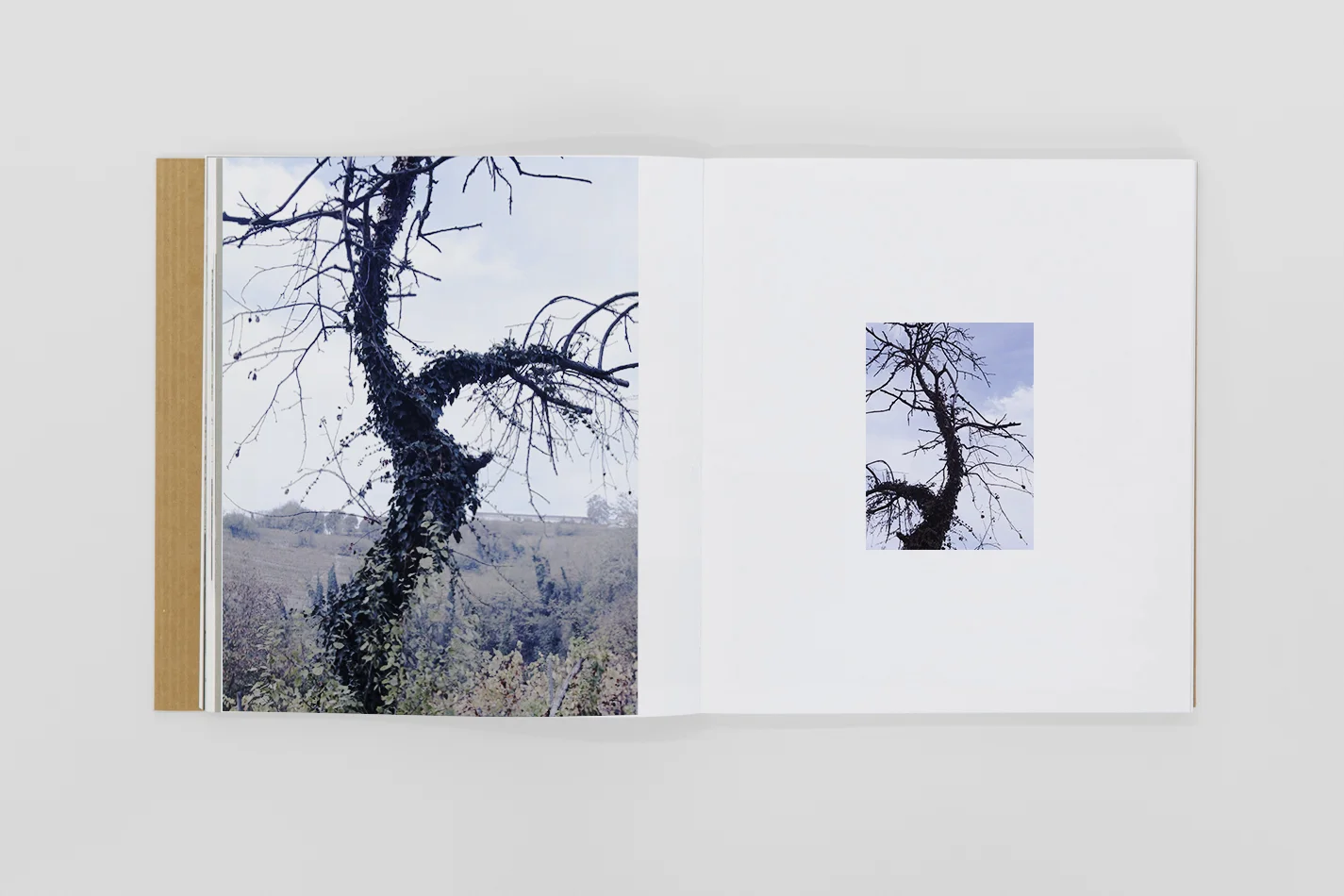
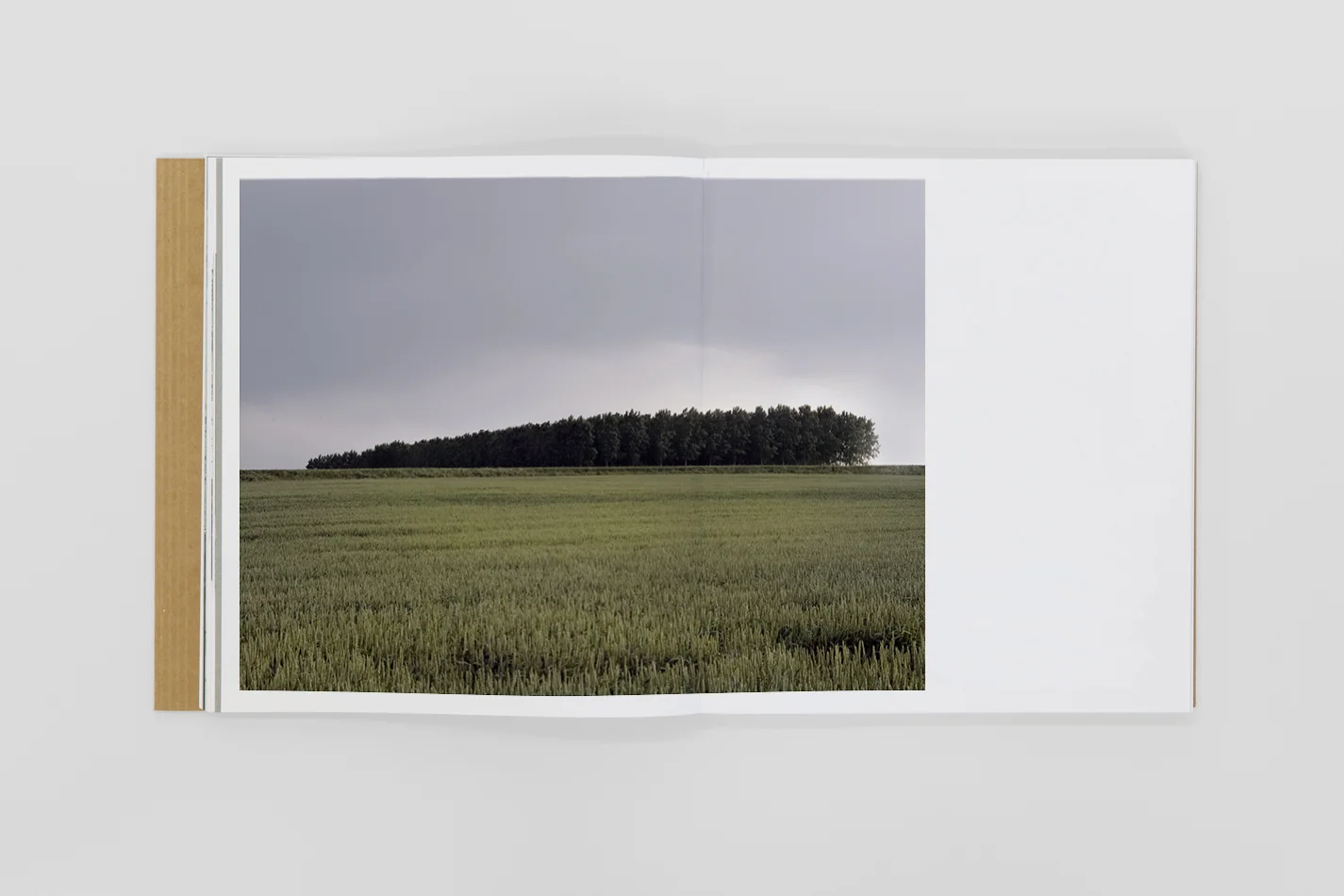
Rizzi's photographs are similar in layout and layout to the canvases of Pellizza's paintings. The eye of the spectator goes in both cases from right to left, with the intent in each work to dwell on a point in depth, to dissect the detail, but in an attitude rather of attention or listening; in both cases the background is a landscape of trees and houses.
Back to Projects

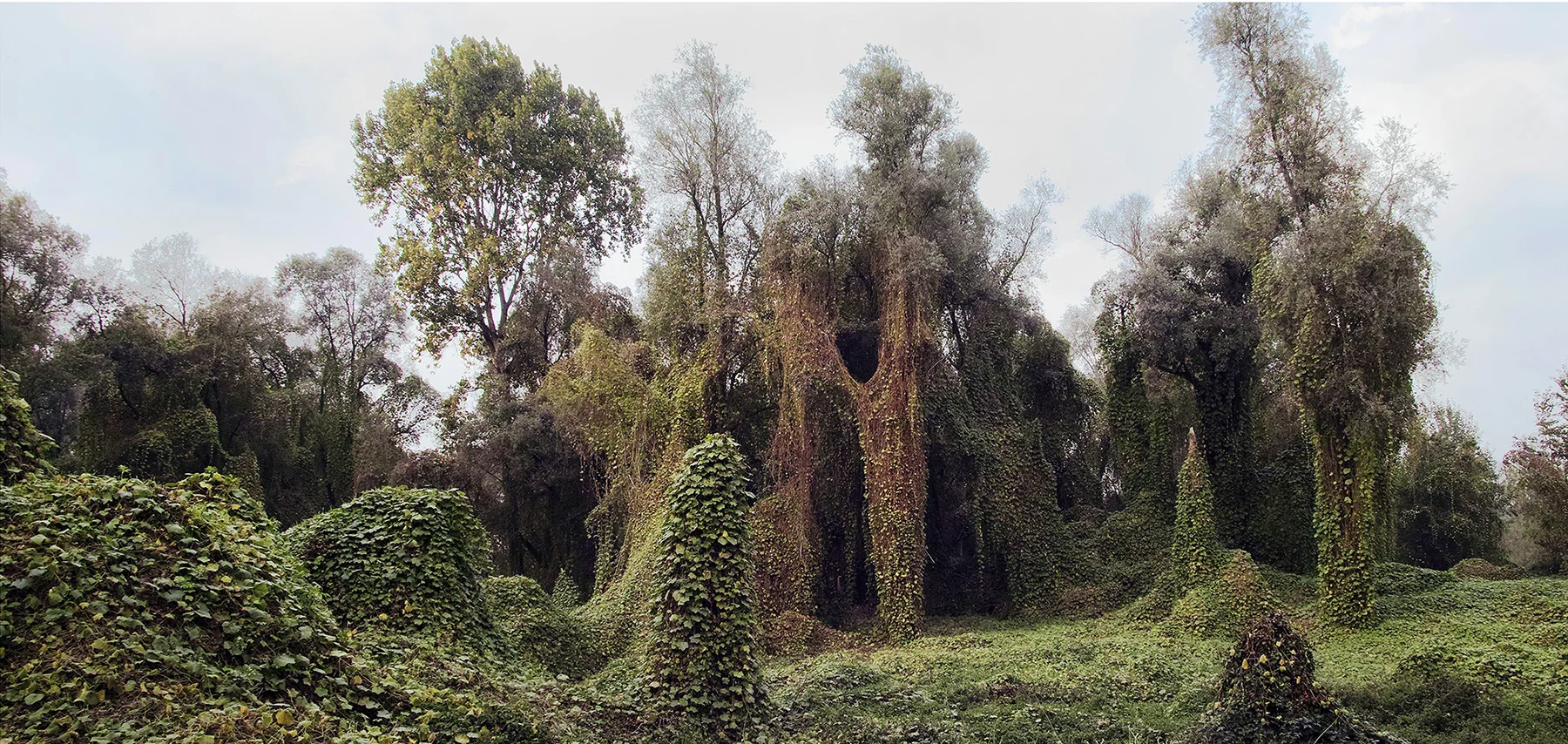
 All of Rizzi's photographs take place towards the center, only the object of his attention is different: in the upside, a solemn and fluctuating drapery shows itself as having landed on the earth from the sky. The lightning of the eye dominates the

All of Rizzi's photographs take place towards the center, only the object of his attention is different: in the upside, a solemn and fluctuating drapery shows itself as having landed on the earth from the sky. The lightning of the eye dominates the vast landscape, tearing the earth, the green, the roads, the sky, the clouds inside. And since the subject of attention is similar, it happens that the viewers of photography are its own components. In the study of the Alexandrian landscape it was a matter of exploring the hypotonic, the same photograph formed a series, not necessarily to have the same composition, or to put it in photographic language the same "view", but because Rizzi uses a similar mental scheme to appropriate the his language.

Without summarizing here each step of my argument, I will remember the most important point: the conjecture that Rizzi's work can be read as a sort of iconographic synonym of the Alexandrian. The recurrent representation of the Landscape, which becomes a symbol of a powerful voice, makes this hypothesis easy. This was therefore the exegetical proposal for the photographic project.
Back to Projects

 In Rizzi's photography, the city is very absent, and remains almost imperceptible in the background. It is like an image without any human presence, as if the subconscious portrayed the hours of earthly work trapping it forever in the photographic s

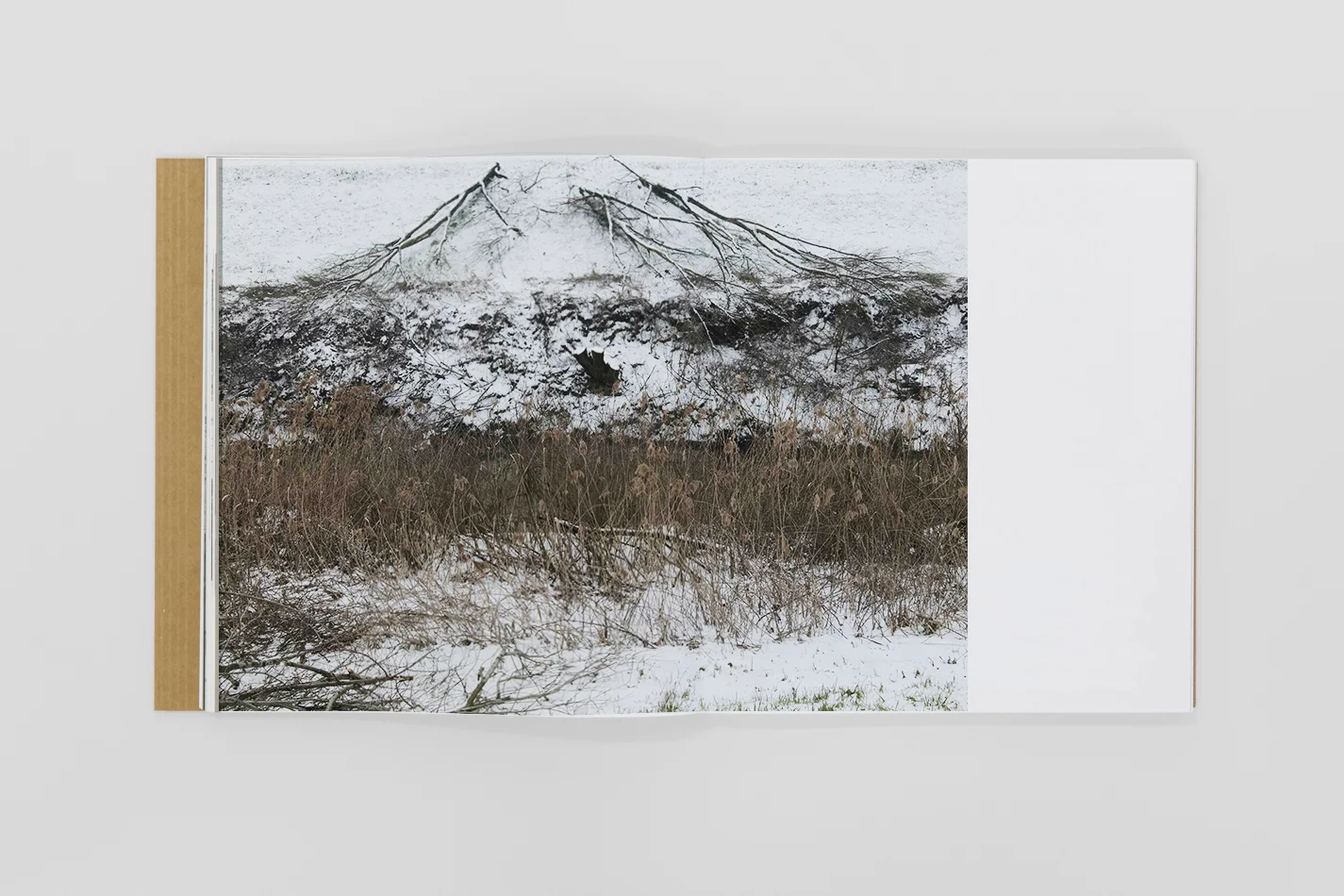
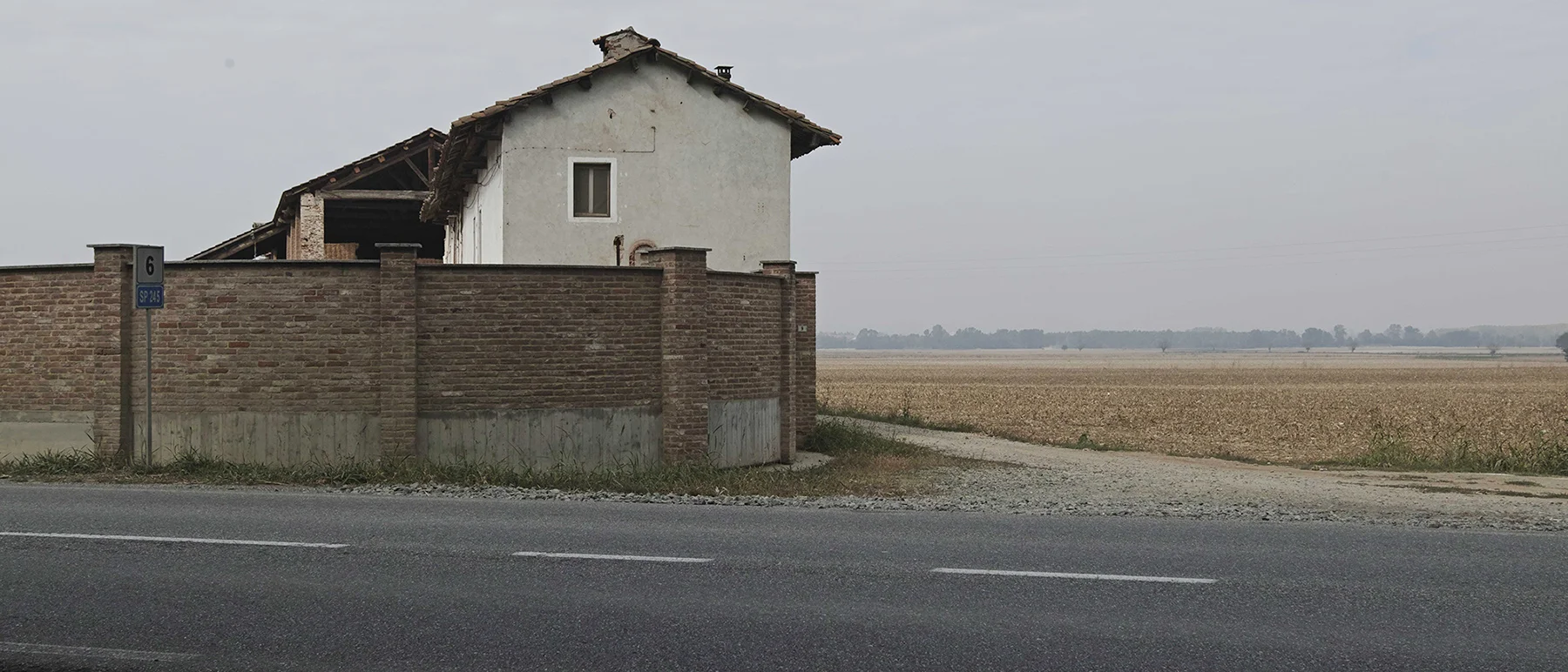
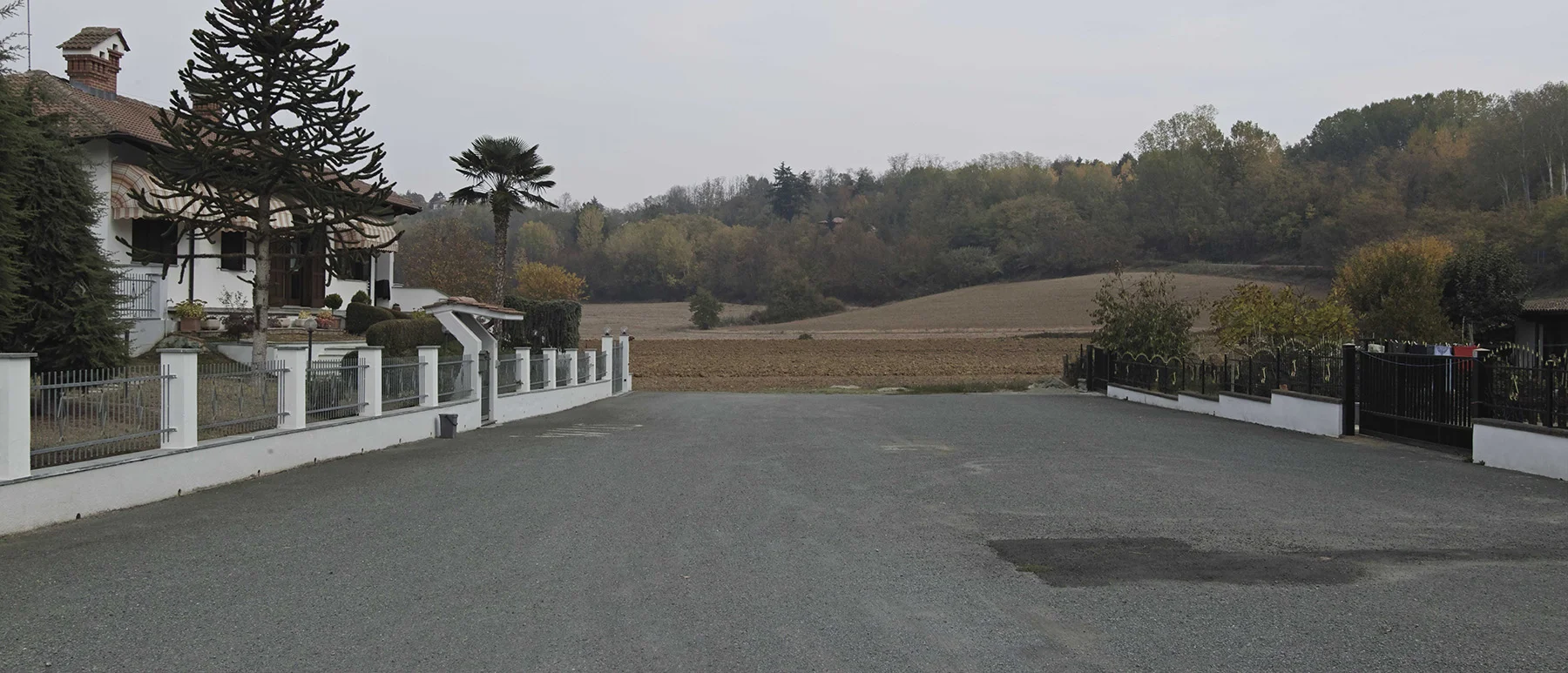
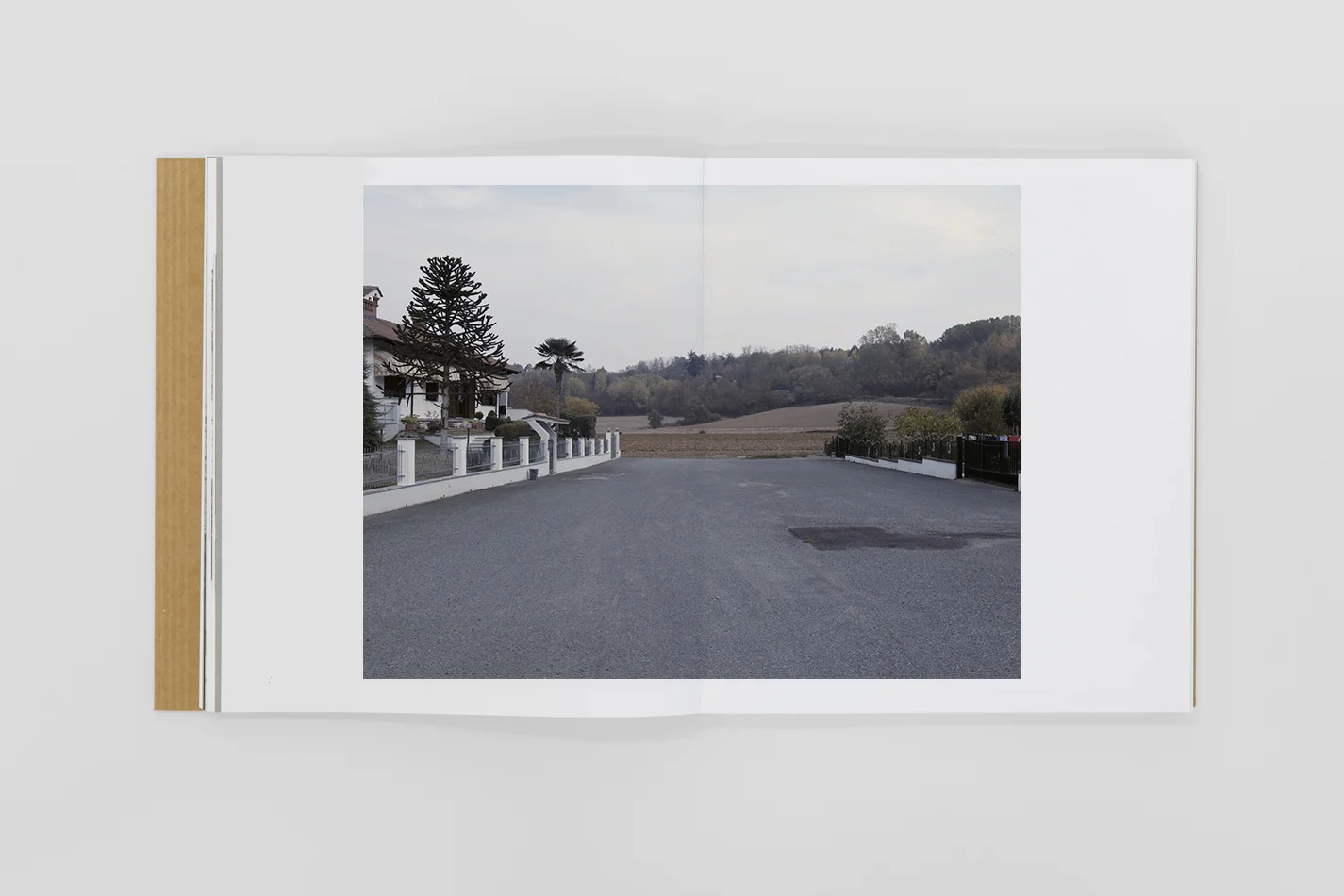
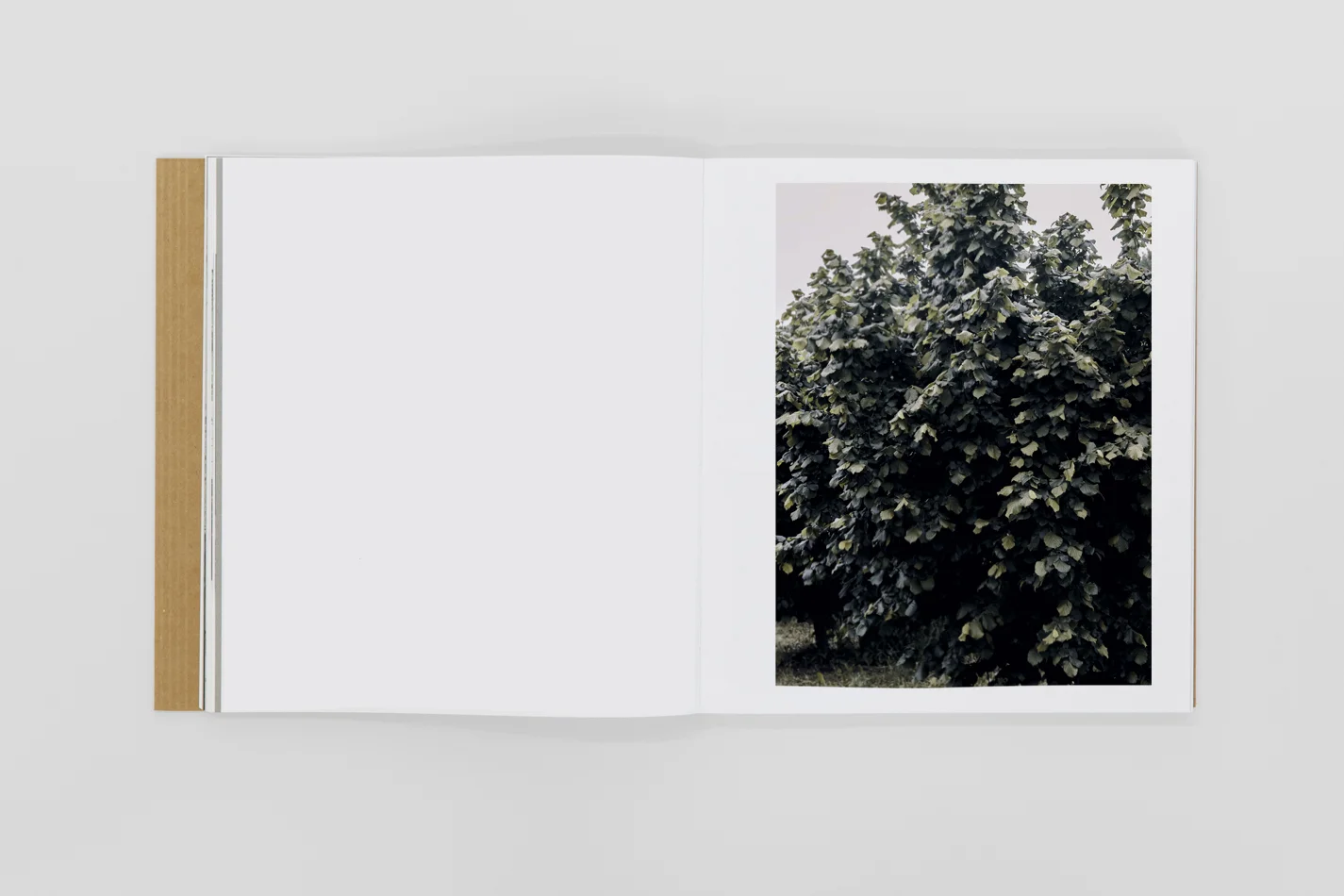
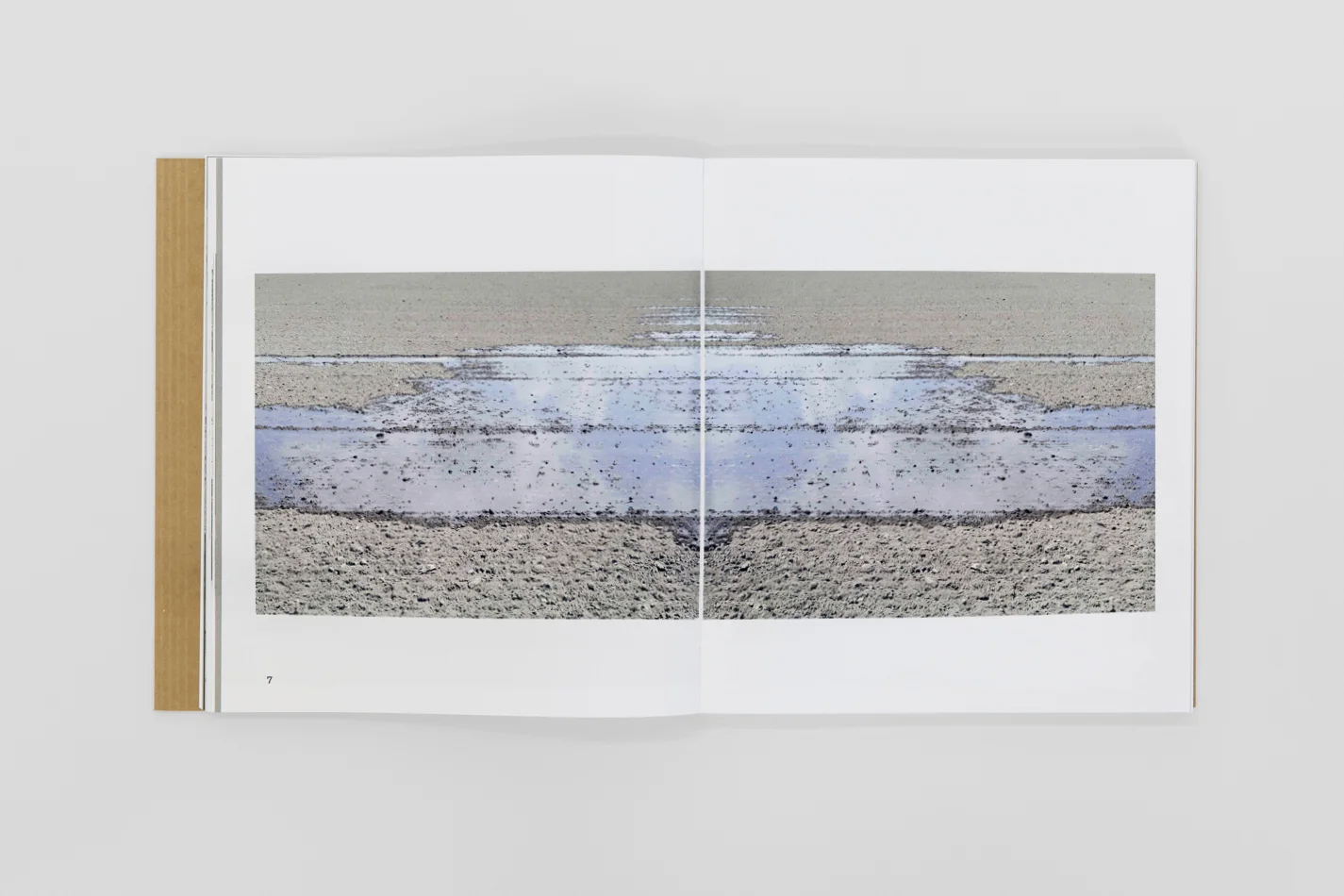
In Rizzi's photography, the city is very absent, and remains almost imperceptible in the background. It is like an image without any human presence, as if the subconscious portrayed the hours of earthly work trapping it forever in the photographic shots. The presence is in the allusion, the man is broken, he leaves only traces of his work, as a consequence of the elements of the visual picture considered significant. It is visible in a photo shoot that is the study of an interpretation; the territory and its peculiarity, finally, can perhaps be recognized, in the wake of other shots, within a corner among the many interpretations.

I greeted with surprise and pleasure the photographic look of Alessandro Rizzi, a photography scholar who for my memory in the interpretation of aesthetic paths appears in full photographic maturity. He paid a lot of attention to the project, but above all he was able to add insight, with a subtle and very patient investigation. This important virtue of the photographer, which has accumulated in recent decades, has added new pieces and new interpretative ramifications. I emphasize here some points, on the right weight to the exegetical procedures based on the seriality of a visual path.
Back to Projects

 Rizzi has added a possible link in the iconographic chain to the idea of ​​territory, to which the spectator will add other rings from everyday experience. Rizzi gave a tiny example, as shown by the photographic scenes that unfold culminating  in th

Rizzi has added a possible link in the iconographic chain to the idea of ​​territory, to which the spectator will add other rings from everyday experience. Rizzi gave a tiny example, as shown by the photographic scenes that unfold culminating

in the precious work of a group with a fiery paladin guarding a territory at risk of disappearing, with the door now impassable. Perhaps they will not accept the hypothesis that the Alexandrian plain, in continuous change, can be considered a more or less direct derivation from the crisis of the territory, but its relevance to an iconographic series that becomes a witness of it is in any case convincing.
Back to Projects

 Even more important is a detail, minimal but decisive: Rizzi was the first to identify the Genius loci, clearly visible in the reading of his images. His discovery was all the more relevant because, as is also evident from the photographs, this deta

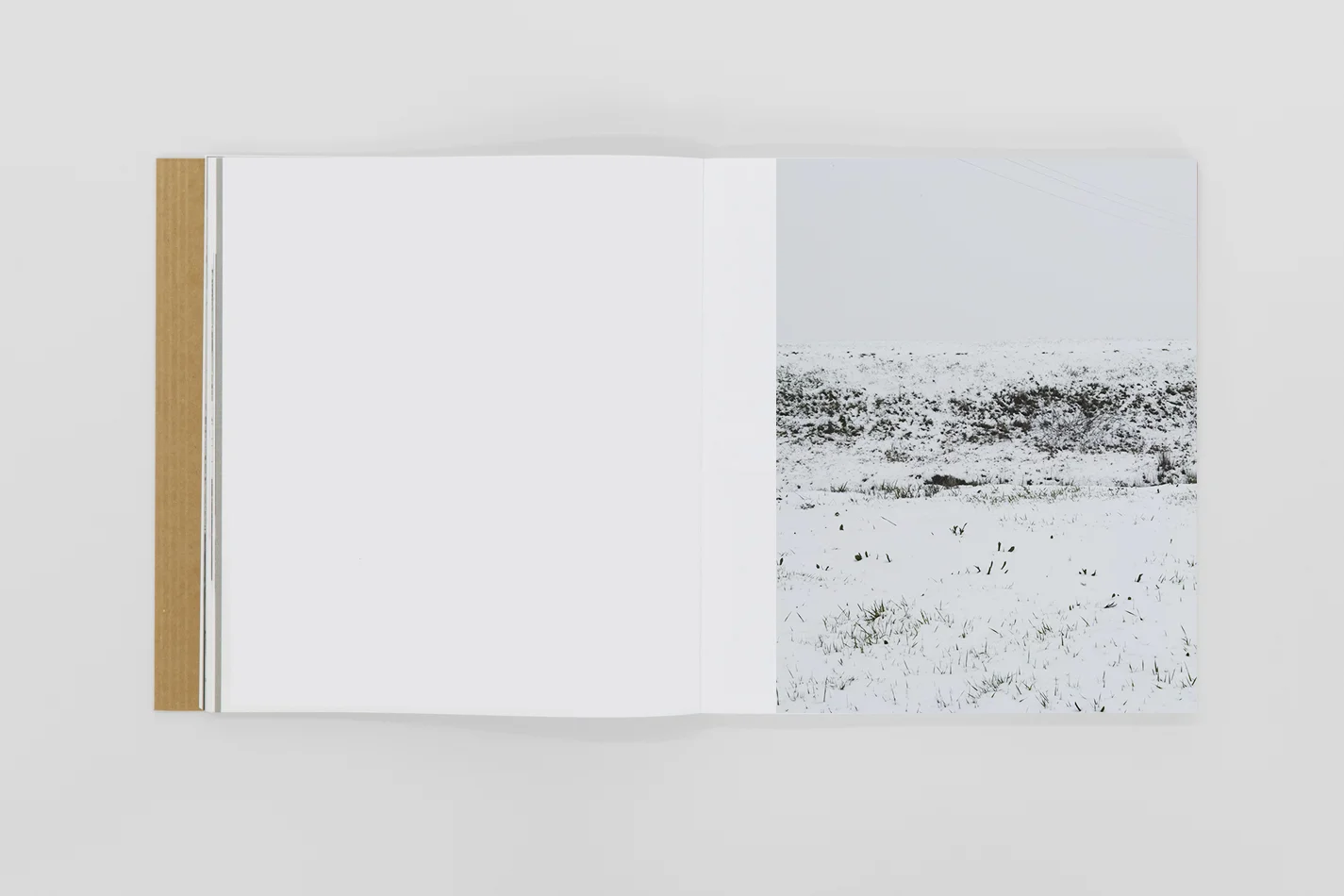
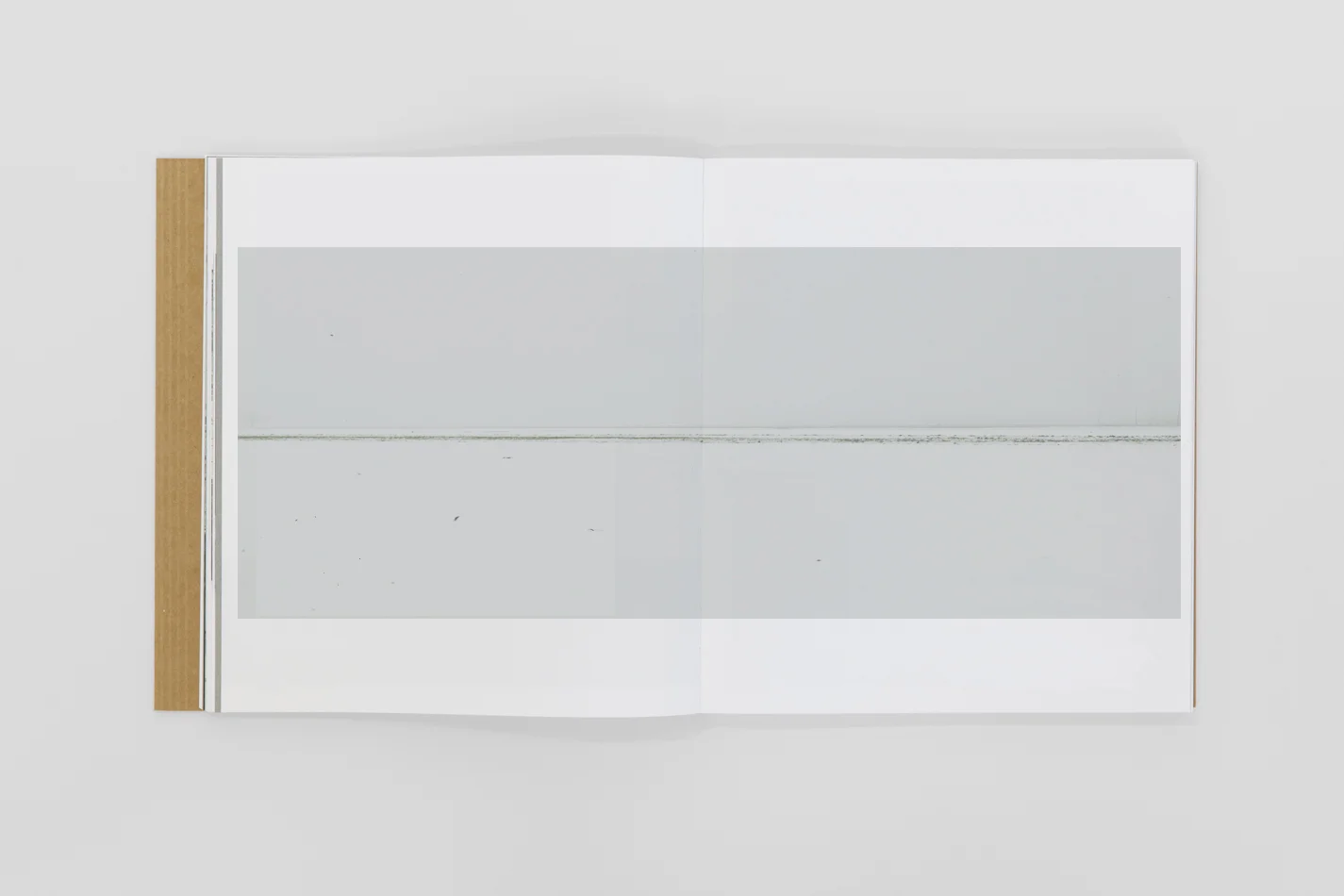
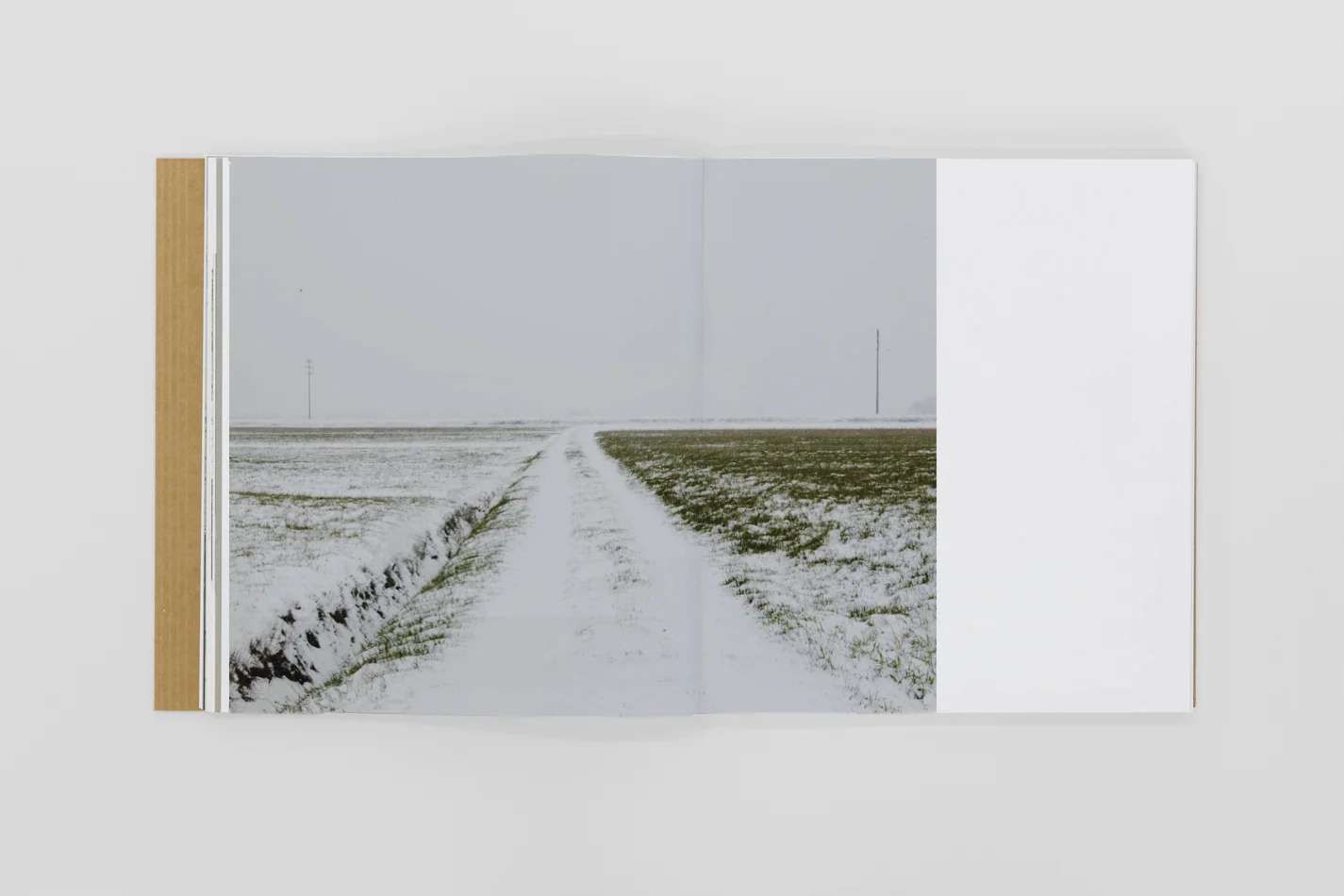
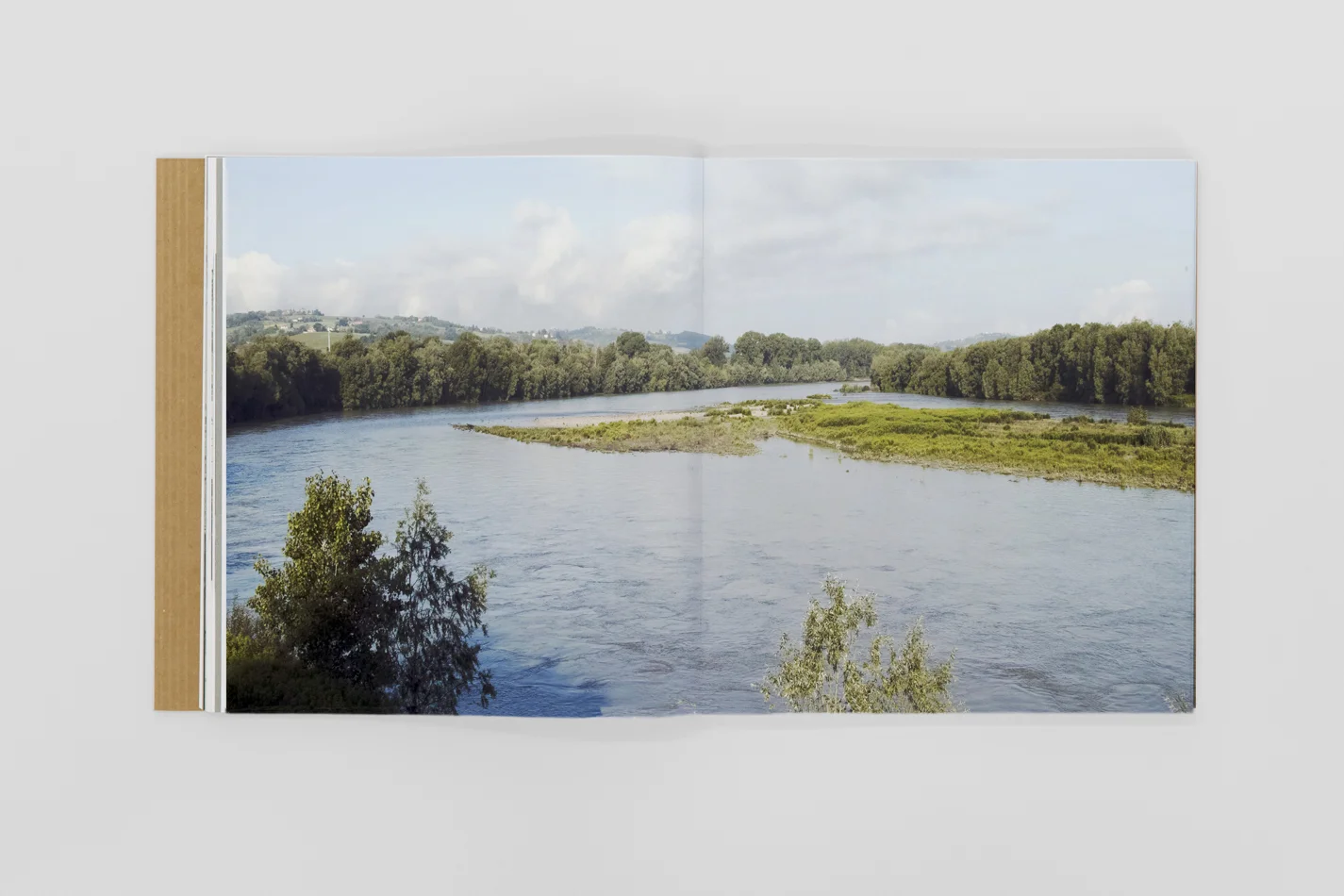
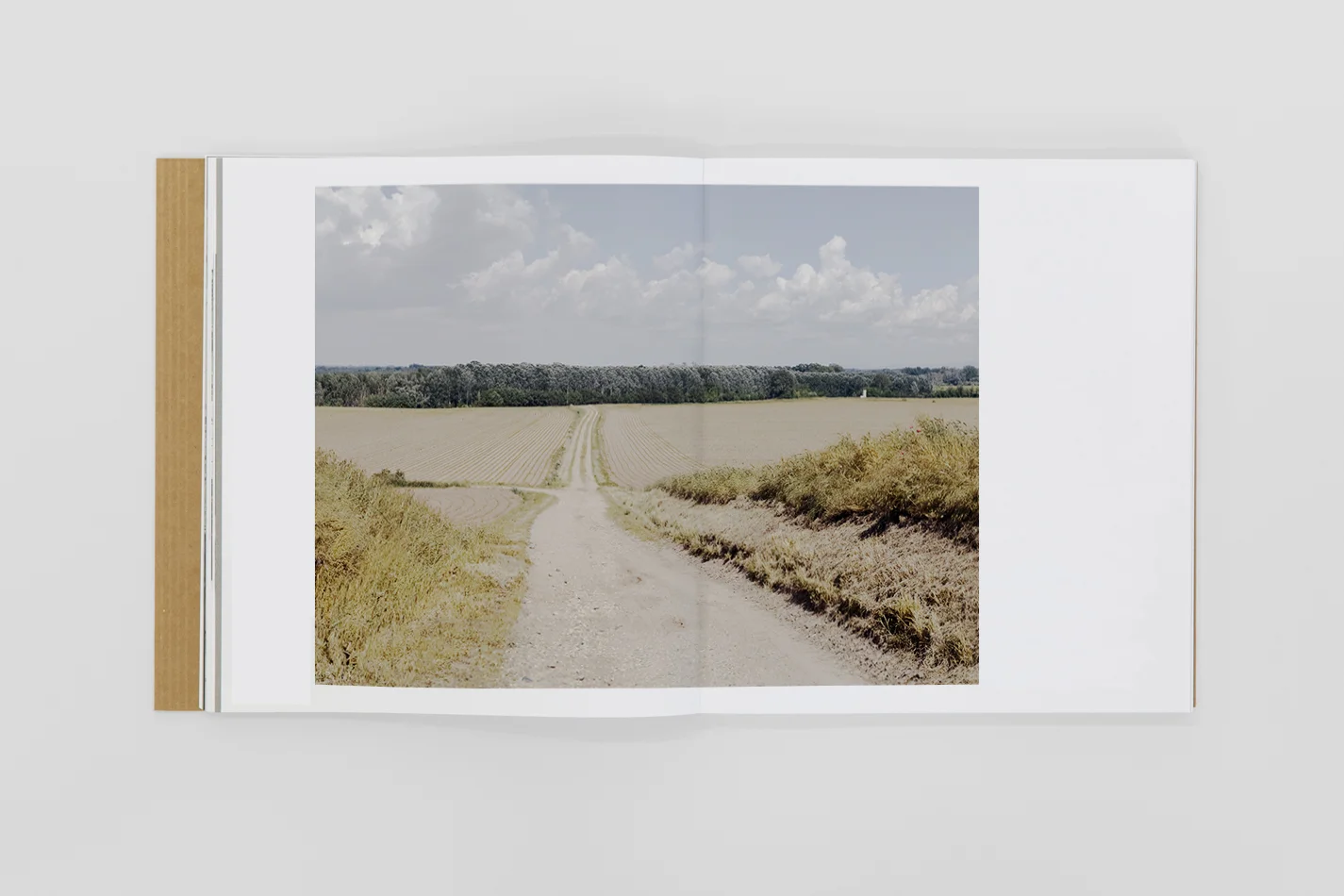
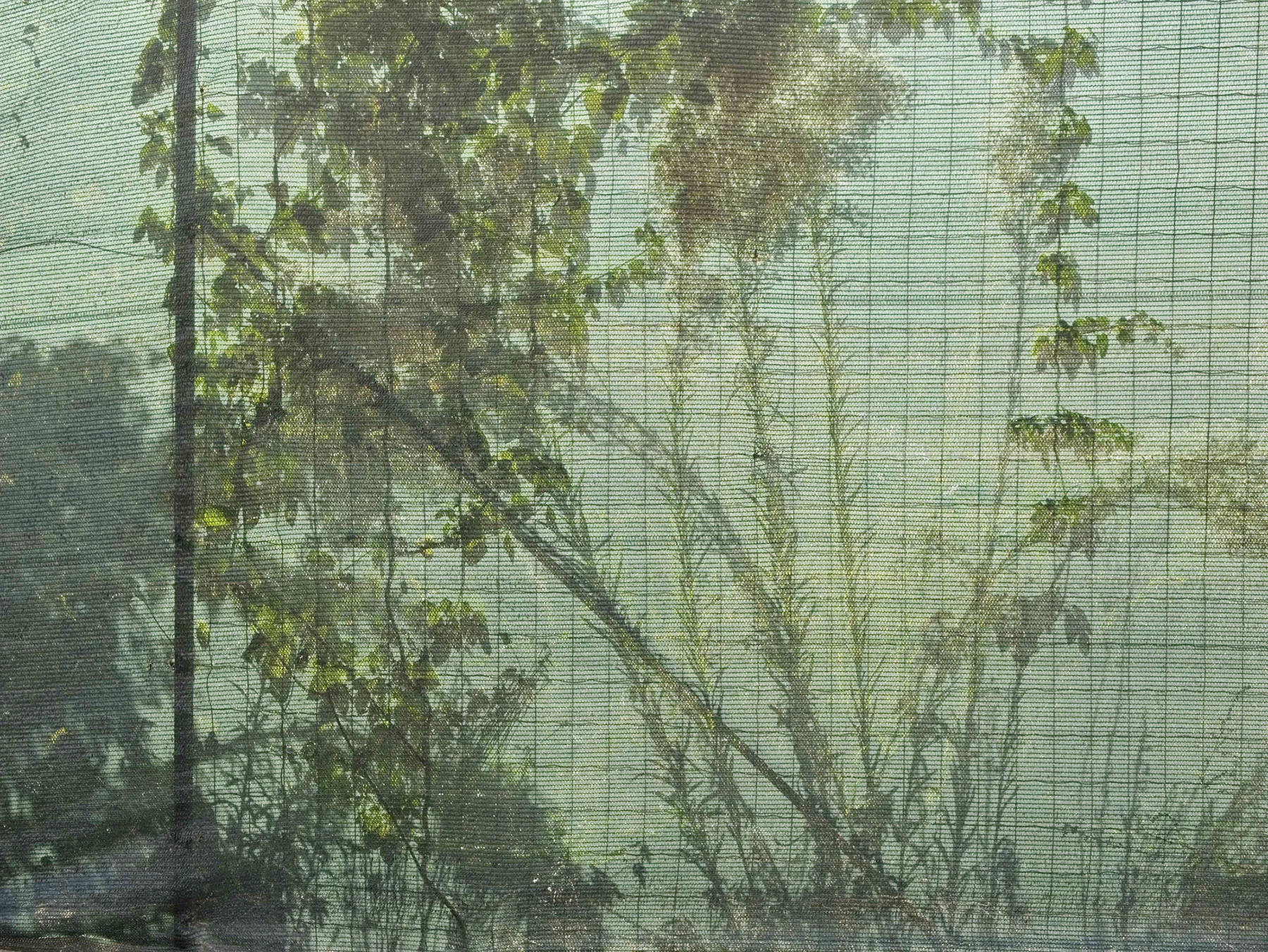
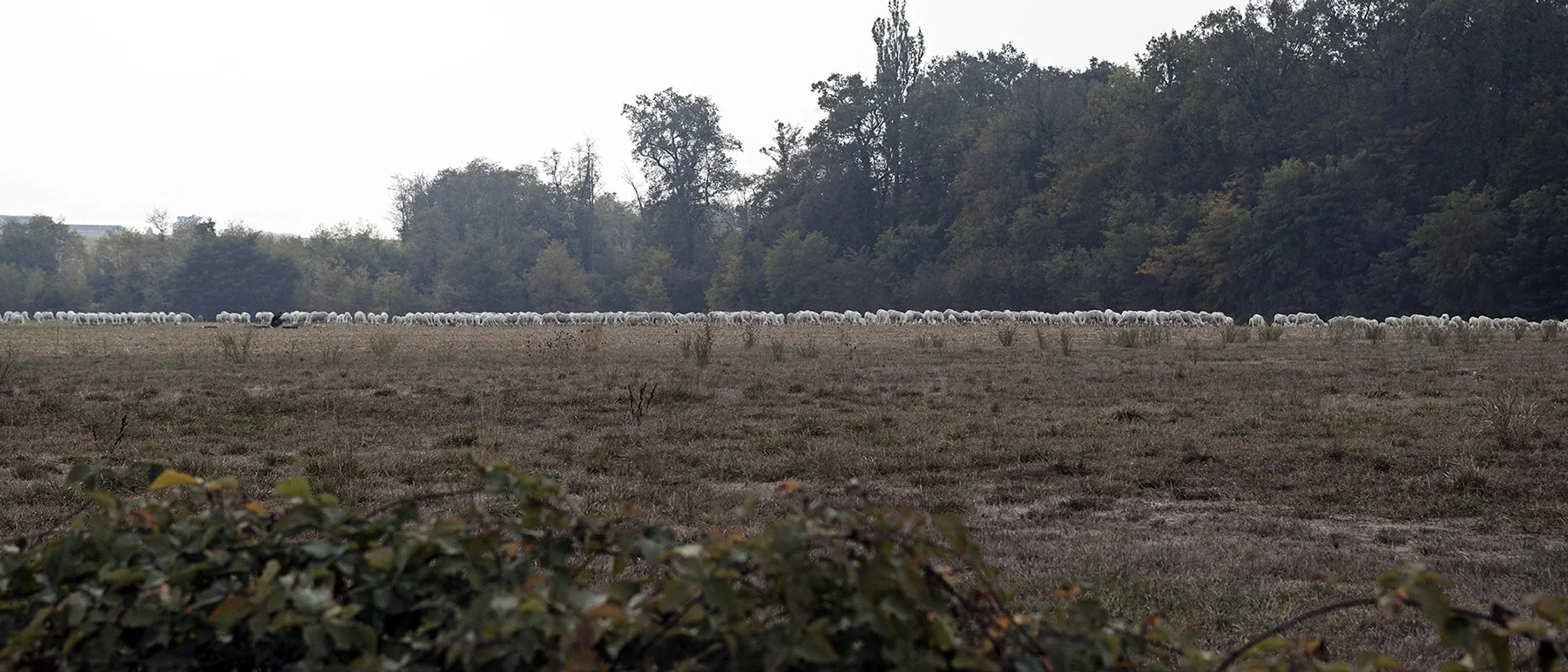
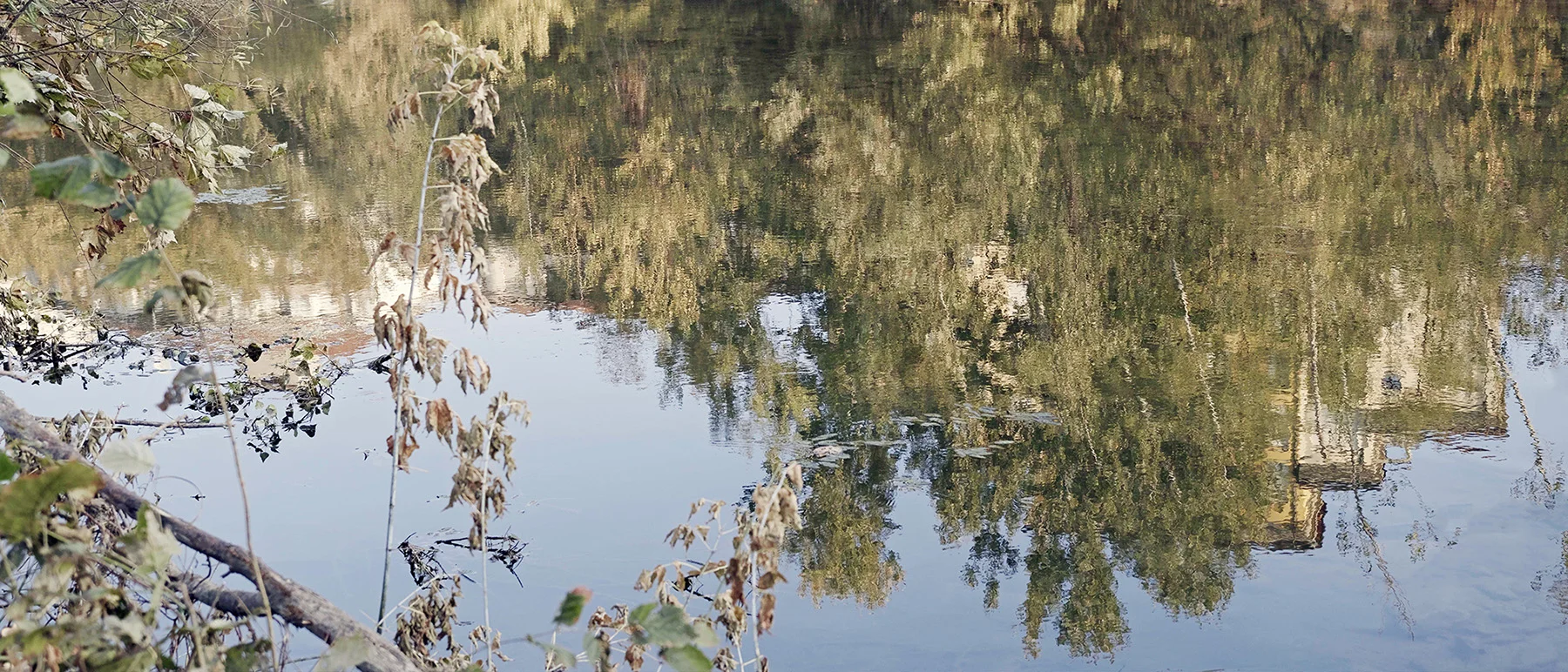
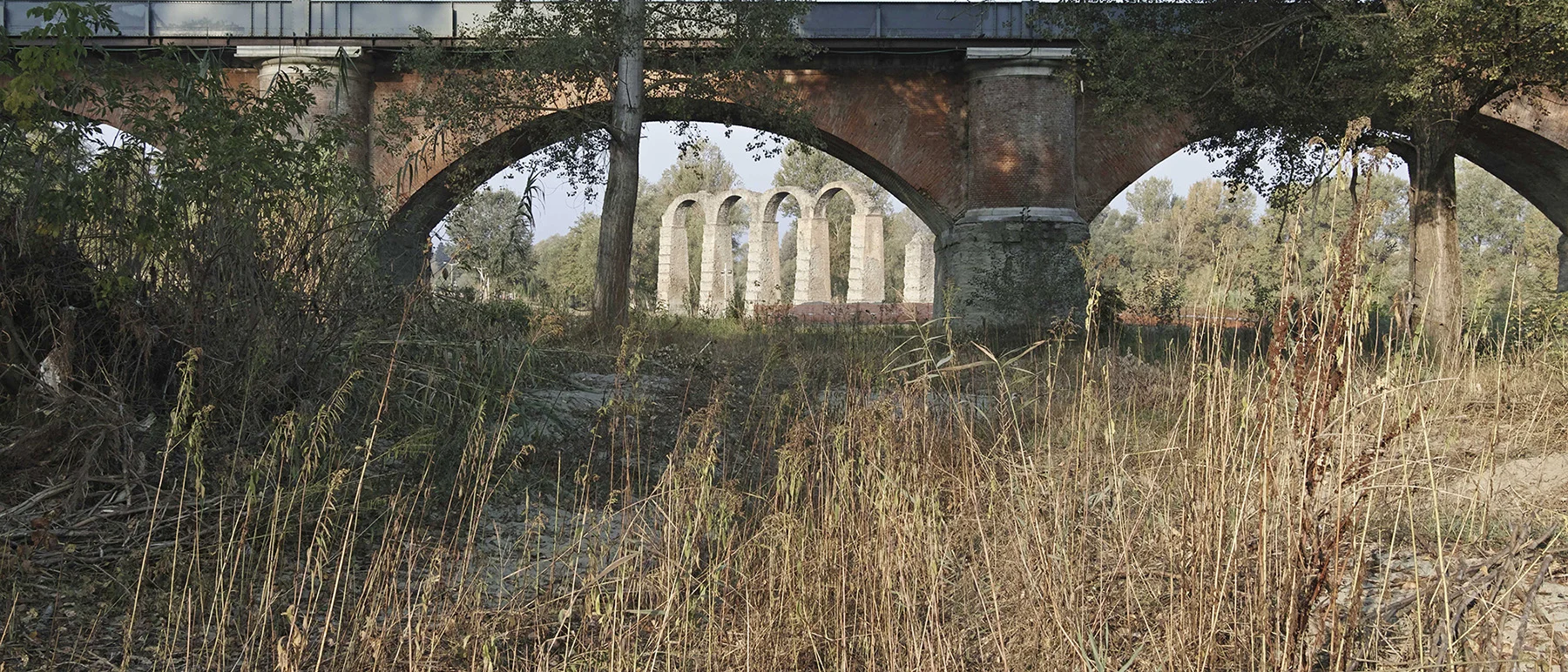
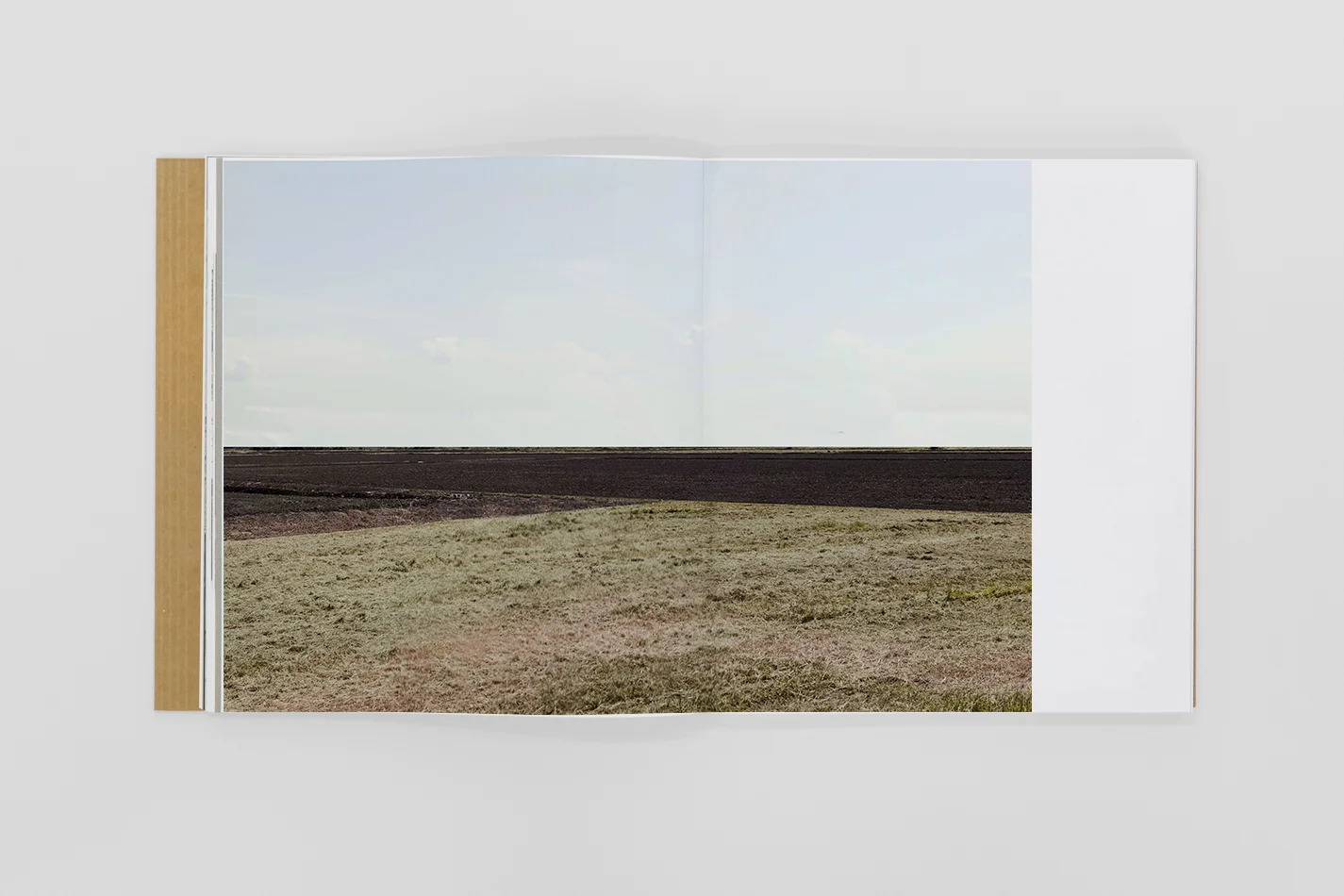
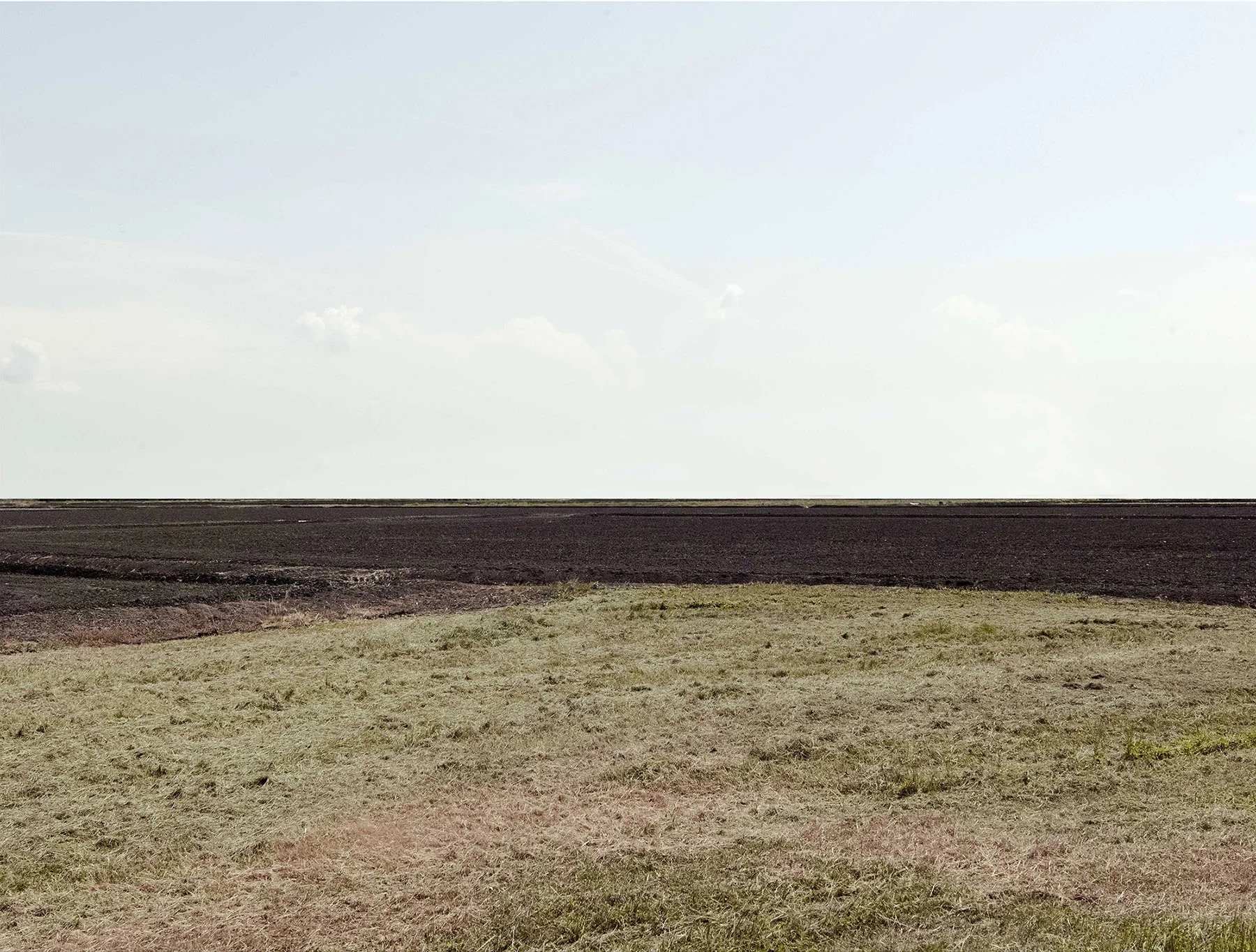
Even more important is a detail, minimal but decisive: Rizzi was the first to identify the Genius loci, clearly visible in the reading of his images. His discovery was all the more relevant because, as is also evident from the photographs, this detail was in fact always in sight, even if reserved for a very close look. So we would not only have been able, but had to see it every day: the field that runs to infinity, the bridge over the river, the clouds that are the protagonists of the whole. Photographic revelation is not a useless desert, as everyone believes; instead, there is a vision of living nature, which Rizzi rightly puts in series with the essential shots the interpretation he proposes to us.
Back to Projects

 Beyond, lost in the vast landscape behind the plain or the mountain, the man stands guard, and the artist builds a bridge that leads to a test of visual virtuosity. It may not be the ultimate demonstration that this scene should be understood as the

Beyond, lost in the vast landscape behind the plain or the mountain, the man stands guard, and the artist builds a bridge that leads to a test of visual virtuosity. It may not be the ultimate demonstration that this scene should be understood as the immovable earthly picture, but it is in any case a good approximation, which goes exactly in the direction of the conjectural reading of the proposed exegesis.
Back to Projects

 Oltre, perso nel vasto paesaggio alle spalle della pianura o della montagna, l’uomo sta di guardia, e l’artista costruisce un ponte che conduce a una prova di virtuosismo visuale. Non sarà forse la dimostrazione ultima che quella scena debba essere

Oltre, perso nel vasto paesaggio alle spalle della pianura o della montagna, l’uomo sta di guardia, e l’artista costruisce un ponte che conduce a una prova di virtuosismo visuale. Non sarà forse la dimostrazione ultima che quella scena debba essere intesa come l’inamovibile quadro terrestre, ma è in ogni caso una buona approssimazione, che va esattamente nella direzione della lettura congetturale dell’esegesi proposta.

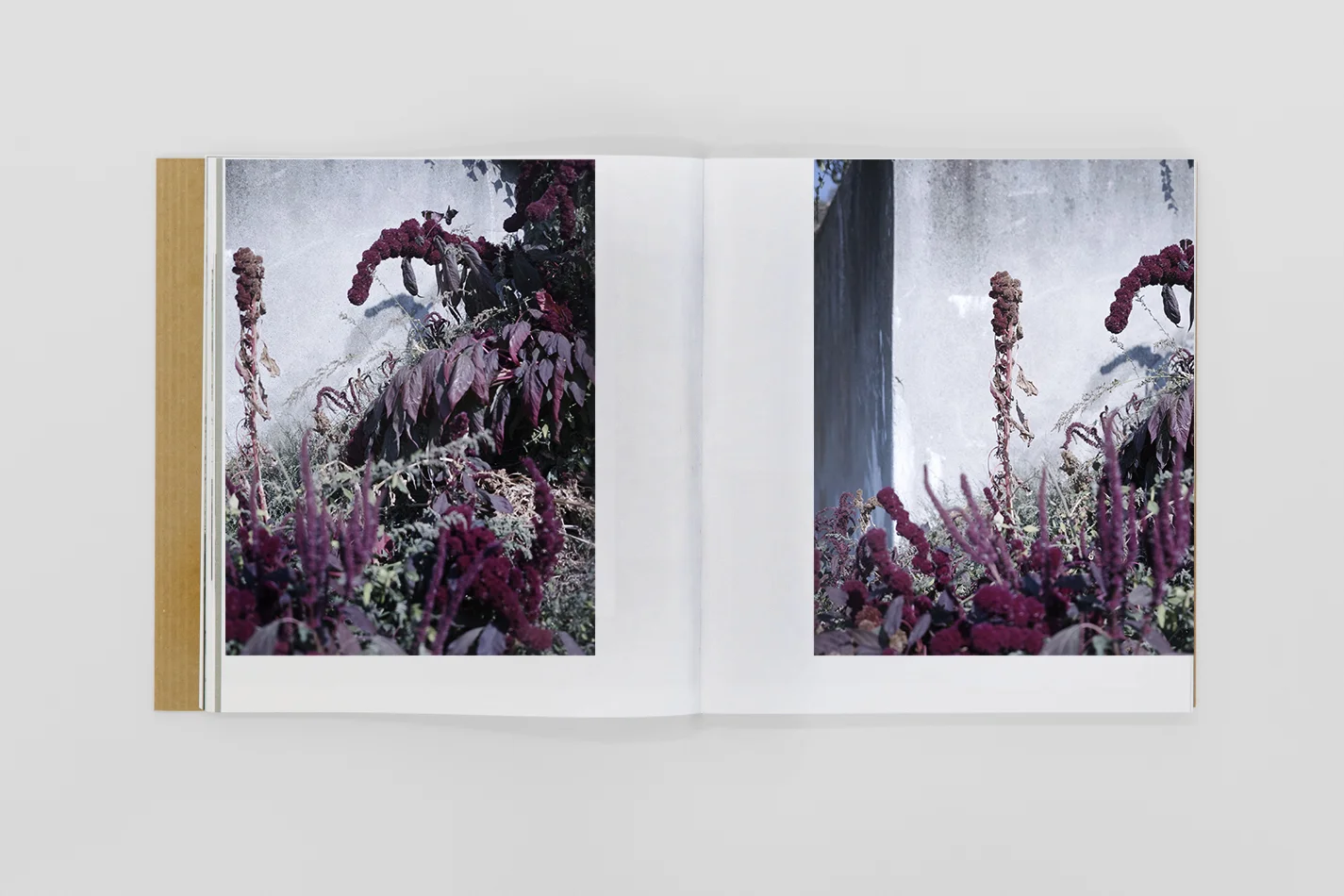
La conclusione a cui giunge Rizzi, che è ormai difficile eludere, è perentoria: la riscoperta di un elemento così carico di significati, che alla prova dei fatti è presente dasempre all’interno del quadro, anche se ben celato e mimetizzato tra la vegetazione, aggiunge un tassello fondamentale, che permette di interpretare con più facilità il nostro territorio. Va a custodire senza cancellare in un colpo le numerose letture proposte, riconducendo il soggetto a un contesto prettamente spirituale e terreno, avvalorando in tal modo l’interpretazione secondo cui la terra e non altro raffigura noi stessi.
Back to Projects

ALESSANDRIA_PROJECT_52.jpg
Architecture of a Landscape  Text by Victor de Circasia
 From this arises the desire to analyze comparatively the different interpretations of the compositions, distilling some rules that make the process of identifying the subject less occasional, less random and more controllable, in order to appropriat
 There are some iconographic parallels, thanks to great Alexandrian artists such as Pelizza di Volpedo. Some local critics were convinced that every picture of him was finished and therefore not interpretable, if not intuitively putting him in connec
 All of Rizzi's photographs take place towards the center, only the object of his attention is different: in the upside, a solemn and fluctuating drapery shows itself as having landed on the earth from the sky. The lightning of the eye dominates the
 In Rizzi's photography, the city is very absent, and remains almost imperceptible in the background. It is like an image without any human presence, as if the subconscious portrayed the hours of earthly work trapping it forever in the photographic s
 Rizzi has added a possible link in the iconographic chain to the idea of ​​territory, to which the spectator will add other rings from everyday experience. Rizzi gave a tiny example, as shown by the photographic scenes that unfold culminating  in th
 Even more important is a detail, minimal but decisive: Rizzi was the first to identify the Genius loci, clearly visible in the reading of his images. His discovery was all the more relevant because, as is also evident from the photographs, this deta
 Beyond, lost in the vast landscape behind the plain or the mountain, the man stands guard, and the artist builds a bridge that leads to a test of visual virtuosity. It may not be the ultimate demonstration that this scene should be understood as the
   Back to Projects
   Back to Projects
   Back to Projects
 Oltre, perso nel vasto paesaggio alle spalle della pianura o della montagna, l’uomo sta di guardia, e l’artista costruisce un ponte che conduce a una prova di virtuosismo visuale. Non sarà forse la dimostrazione ultima che quella scena debba essere
   Back to Projects
   Back to Projects
   Back to Projects
   Back to Projects
   Back to Projects
   Back to Projects
   Back to Projects
   Back to Projects
   Back to Projects
   Back to Projects
   Back to Projects
ALESSANDRIA_PROJECT_52.jpg
   Back to Projects
   Back to Projects
   Back to Projects
   Back to Projects
   Back to Projects
   Back to Projects
   Back to Projects
   Back to Projects
   Back to Projects
   Back to Projects
   Back to Projects
   Back to Projects
Architecture of a Landscape Text by Victor de Circasia

A Commisioned two years project trought the Piedmont landscape.

Two years have passed since Alessandro Rizzi began to travel around Alessandria in search of subjects to photograph and interpret. The aspiration of the client, Confagricoltura of Alessandria, was to show an interpretation of the territory, in its contemporaneity. That intention alluded to a visual exegetic, which would have developed, in the context of history, into an almost central chapter.

A landscape, a glimpse of the countryside, a place where work flows, stimulate observation.

Back to Projects

From this arises the desire to analyze comparatively the different interpretations of the compositions, distilling some rules that make the process of identifying the subject less occasional, less random and more controllable, in order to appropriate its aesthetics and give the individual photograph the value of a work of art. 'art.

The central idea for interpreting the Alexandrian was therefore that of a collection of images, rather than a single picture: the author would have chosen the theme of the speech, addressing the apparently insurmountable difficulty of defining the subject. Many in the past have argued that this territory involves history more than art. As further proof, they said that photographing the already photographed, even if partly as a reaction, is inconclusive. With this photographic dissertation by Alessandro Rizzi further interpretations have flourished, and others that we lack, preserved in his personal archive.

Back to Projects

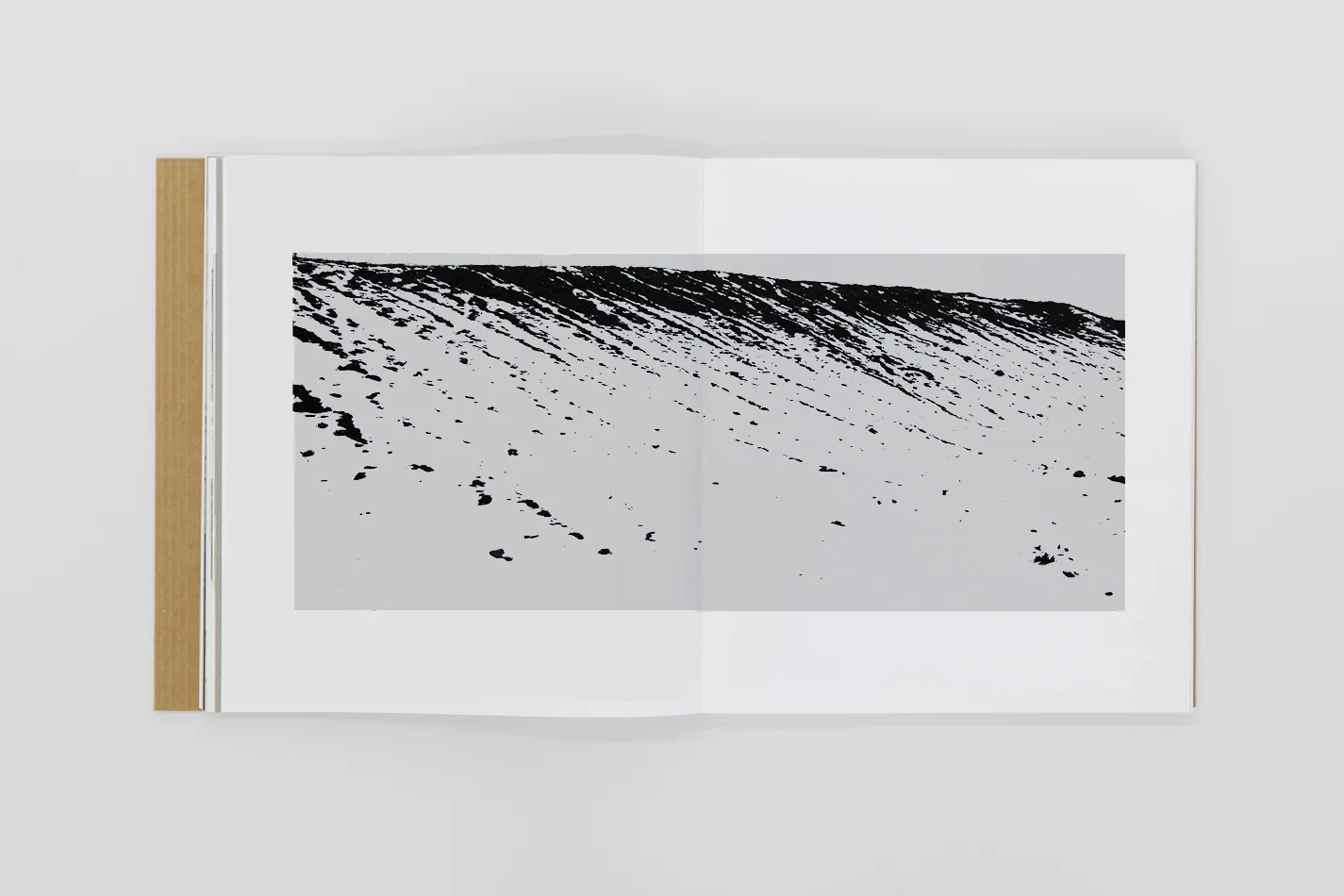
There are some iconographic parallels, thanks to great Alexandrian artists such as Pelizza di Volpedo. Some local critics were convinced that every picture of him was finished and therefore not interpretable, if not intuitively putting him in connection with the world of literature, but not with the modern world of photography. This is the value of the 30 photographic exegetes of Rizzi. The quickness of the shot captures the event: wandering from time to time with the idea of ​​the territory in mind, it has crossed the high Alessandrino and the western territory, has passed to the north and south, taking cues here and there until finding the a possible harmony is sudden. Thus he created the aesthetic layout to form a photographic silhouette, and the complete works of this series of images.

Rizzi's photographs are similar in layout and layout to the canvases of Pellizza's paintings. The eye of the spectator goes in both cases from right to left, with the intent in each work to dwell on a point in depth, to dissect the detail, but in an attitude rather of attention or listening; in both cases the background is a landscape of trees and houses.

Back to Projects

All of Rizzi's photographs take place towards the center, only the object of his attention is different: in the upside, a solemn and fluctuating drapery shows itself as having landed on the earth from the sky. The lightning of the eye dominates the vast landscape, tearing the earth, the green, the roads, the sky, the clouds inside. And since the subject of attention is similar, it happens that the viewers of photography are its own components. In the study of the Alexandrian landscape it was a matter of exploring the hypotonic, the same photograph formed a series, not necessarily to have the same composition, or to put it in photographic language the same "view", but because Rizzi uses a similar mental scheme to appropriate the his language.

Without summarizing here each step of my argument, I will remember the most important point: the conjecture that Rizzi's work can be read as a sort of iconographic synonym of the Alexandrian. The recurrent representation of the Landscape, which becomes a symbol of a powerful voice, makes this hypothesis easy. This was therefore the exegetical proposal for the photographic project.

Back to Projects

In Rizzi's photography, the city is very absent, and remains almost imperceptible in the background. It is like an image without any human presence, as if the subconscious portrayed the hours of earthly work trapping it forever in the photographic shots. The presence is in the allusion, the man is broken, he leaves only traces of his work, as a consequence of the elements of the visual picture considered significant. It is visible in a photo shoot that is the study of an interpretation; the territory and its peculiarity, finally, can perhaps be recognized, in the wake of other shots, within a corner among the many interpretations.

I greeted with surprise and pleasure the photographic look of Alessandro Rizzi, a photography scholar who for my memory in the interpretation of aesthetic paths appears in full photographic maturity. He paid a lot of attention to the project, but above all he was able to add insight, with a subtle and very patient investigation. This important virtue of the photographer, which has accumulated in recent decades, has added new pieces and new interpretative ramifications. I emphasize here some points, on the right weight to the exegetical procedures based on the seriality of a visual path.

Back to Projects

Rizzi has added a possible link in the iconographic chain to the idea of ​​territory, to which the spectator will add other rings from everyday experience. Rizzi gave a tiny example, as shown by the photographic scenes that unfold culminating

in the precious work of a group with a fiery paladin guarding a territory at risk of disappearing, with the door now impassable. Perhaps they will not accept the hypothesis that the Alexandrian plain, in continuous change, can be considered a more or less direct derivation from the crisis of the territory, but its relevance to an iconographic series that becomes a witness of it is in any case convincing.

Back to Projects

Even more important is a detail, minimal but decisive: Rizzi was the first to identify the Genius loci, clearly visible in the reading of his images. His discovery was all the more relevant because, as is also evident from the photographs, this detail was in fact always in sight, even if reserved for a very close look. So we would not only have been able, but had to see it every day: the field that runs to infinity, the bridge over the river, the clouds that are the protagonists of the whole. Photographic revelation is not a useless desert, as everyone believes; instead, there is a vision of living nature, which Rizzi rightly puts in series with the essential shots the interpretation he proposes to us.

Back to Projects

Beyond, lost in the vast landscape behind the plain or the mountain, the man stands guard, and the artist builds a bridge that leads to a test of visual virtuosity. It may not be the ultimate demonstration that this scene should be understood as the immovable earthly picture, but it is in any case a good approximation, which goes exactly in the direction of the conjectural reading of the proposed exegesis.

Back to Projects

Oltre, perso nel vasto paesaggio alle spalle della pianura o della montagna, l’uomo sta di guardia, e l’artista costruisce un ponte che conduce a una prova di virtuosismo visuale. Non sarà forse la dimostrazione ultima che quella scena debba essere intesa come l’inamovibile quadro terrestre, ma è in ogni caso una buona approssimazione, che va esattamente nella direzione della lettura congetturale dell’esegesi proposta.

La conclusione a cui giunge Rizzi, che è ormai difficile eludere, è perentoria: la riscoperta di un elemento così carico di significati, che alla prova dei fatti è presente dasempre all’interno del quadro, anche se ben celato e mimetizzato tra la vegetazione, aggiunge un tassello fondamentale, che permette di interpretare con più facilità il nostro territorio. Va a custodire senza cancellare in un colpo le numerose letture proposte, riconducendo il soggetto a un contesto prettamente spirituale e terreno, avvalorando in tal modo l’interpretazione secondo cui la terra e non altro raffigura noi stessi.

Back to Projects

show thumbnails